The Surface Studio
Crafting a premium identity for a leader in architectural surfaces
We design websites that help people understand who you are, find what they need and take action with confidence. Whether you are replacing an outdated site, creating a new digital presence or building something more complex, we shape the experience around your goals and your users.
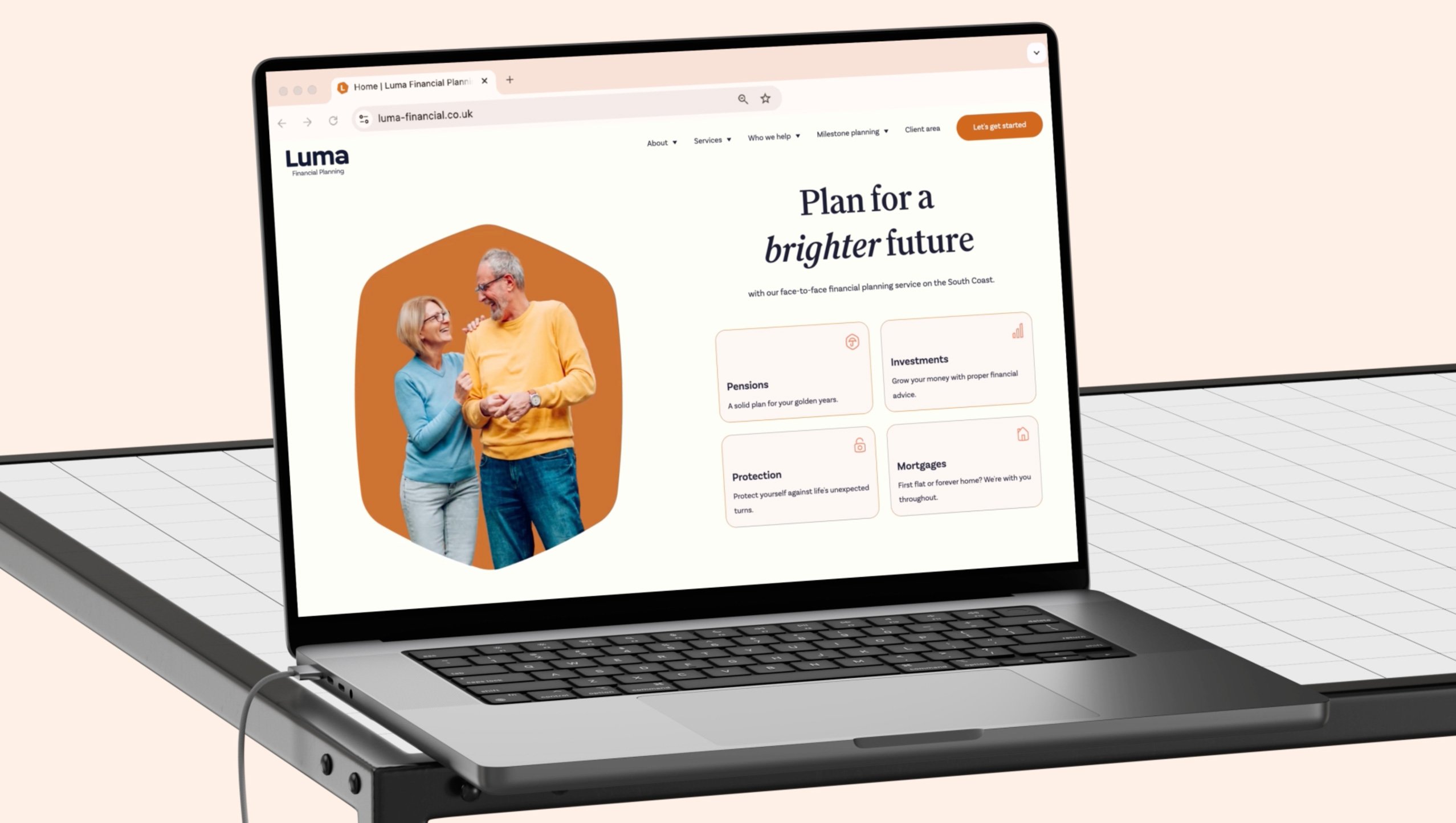
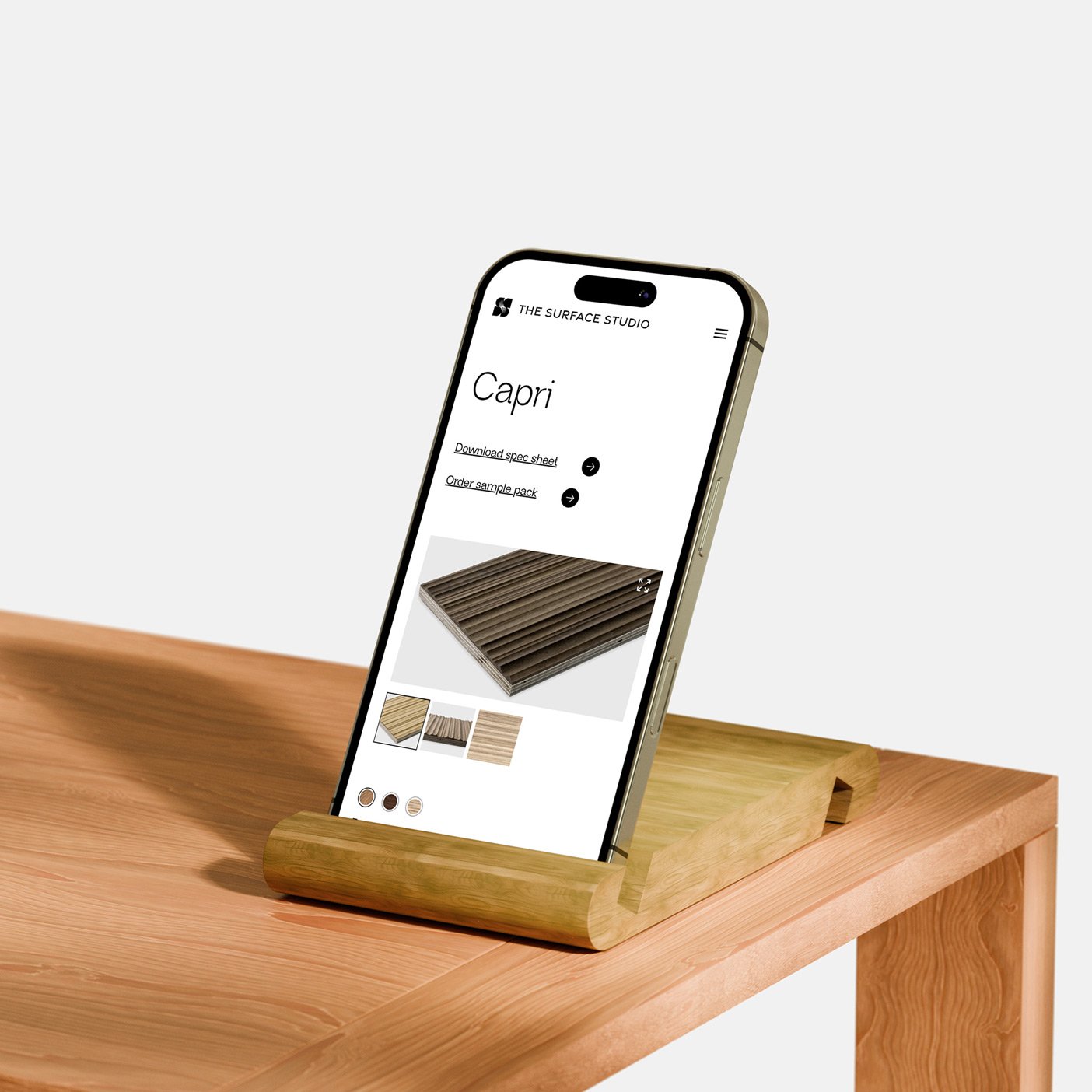
We bring strategy, content, design and development together from the start, so the final platform is shaped around your organisation, your audience and the way your team needs to work.
For complex, ambitious projects, that might mean a Laravel-based platform with Statamic CMS, built for bespoke functionality, structured content, integrations and long-term growth. For other projects, the right answer might be Shopify, a headless setup, or a clear and manageable WordPress site that gives your team control without overcomplicating the build.
The important thing is choosing the right foundation. We help you understand the options, plan the structure and create a digital platform that feels intuitive for your users, practical for your team and ready to grow with your business.
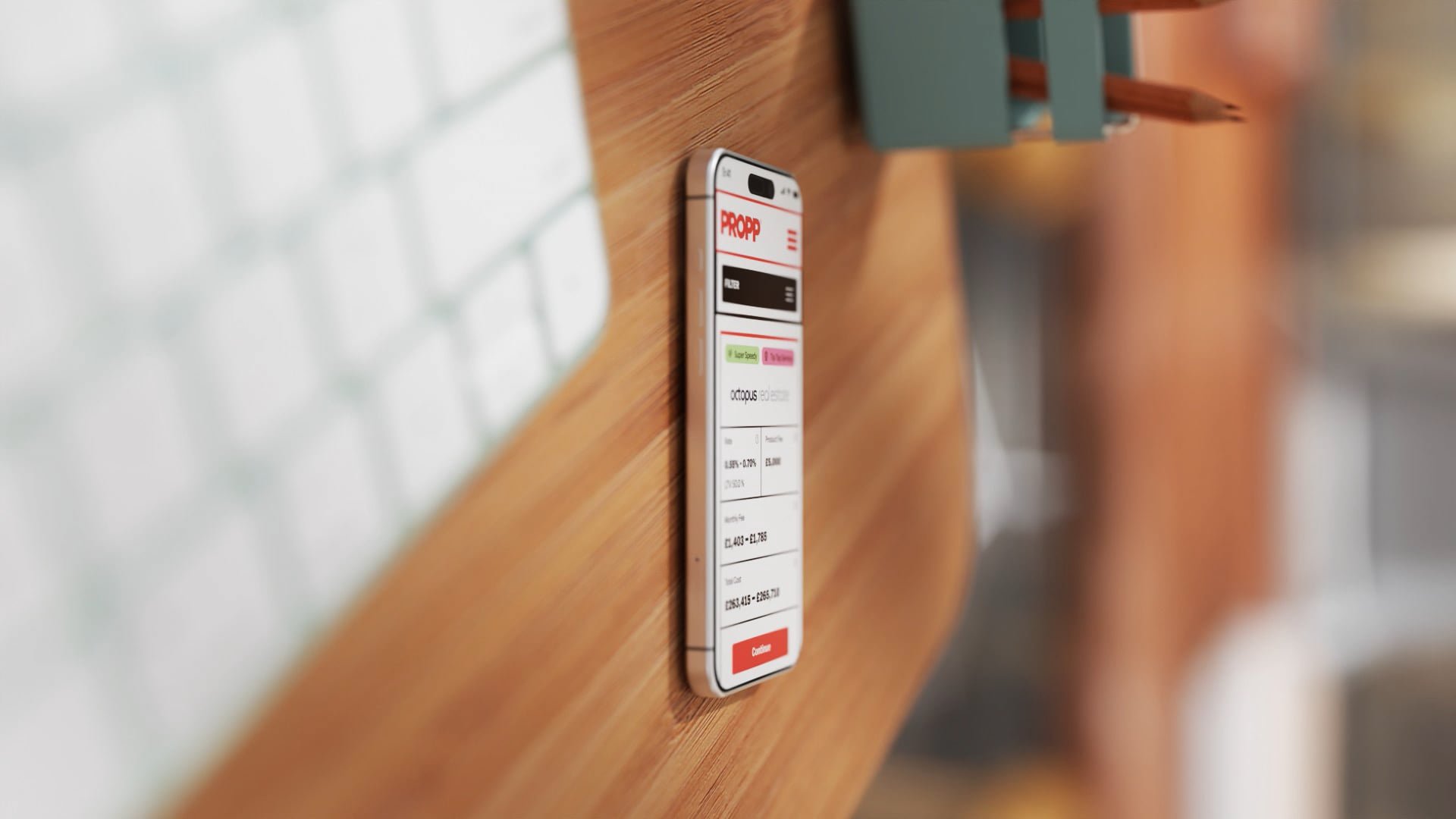
Your website is one of the most important places your brand lives.
We help make sure your identity, messaging, tone of voice and digital experience all work together. Whether you need a full rebrand, a light refresh or stronger alignment with your existing guidelines, we can create a brand system that feels consistent, flexible and built for digital use.
Because the best websites do not just work well. They feel joined up, memorable and unmistakably yours.
We couldn't find any projects that matched your filter, please adjust your selection.
Our digital process is more than UX and UI design. It is how we think about brands as living systems: flexible, useful, expressive and built to grow.
Before we design anything, we need to understand what the website is really there to do.
We start by getting under the skin of your organisation, your audience, your content and your commercial goals. What has changed? What needs to become clearer? Where is your current site holding you back? What do users need to find, understand or do?
This stage gives the project its foundation. It helps us define the narrative, structure the content, map the user journeys and agree the technical direction before design begins.
Once the structure is clear, we explore how the website should look, feel and behave.
This is where brand, UX and interface design come together. We create a visual direction that carries the story of the organisation through the whole user journey. The big idea should be felt in the hero sections, the content blocks, the navigation, the buttons, the transitions and the quiet little details that make the site feel considered.
This is also where the website becomes more than a set of layouts. It becomes a flexible design system.
Once the strategy, structure and design system are agreed, we turn everything into a working website.
This is where the design becomes something real: developed, populated, tested, refined and prepared for launch. We build the pages, connect the CMS, add content, optimise performance and make sure the experience works properly across devices.
Every detail is checked against the original thinking, from the way pages load and respond to the way users move through the site. The goal is not just to make the website look like the design, but to make sure it feels smooth, performs well and gives your team the control they need after launch.
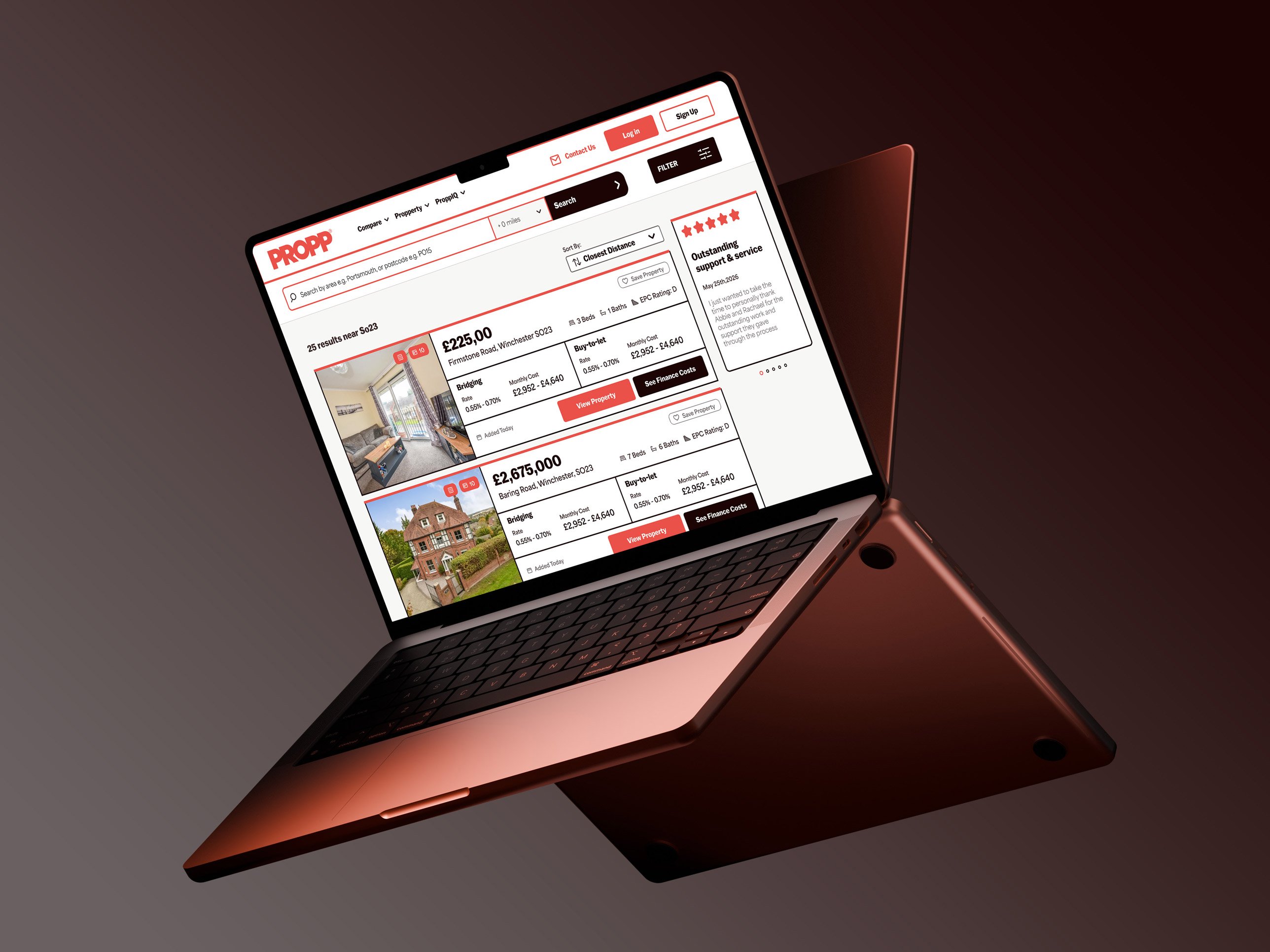
As your business grows, your website will often need to work harder. More pages, more audiences, more content, more integrations, more pressure to perform. At that point, a website stops being a simple marketing tool and becomes part of how the organisation operates.
For ambitious or growing businesses, we create digital platforms that bring structure, speed and flexibility to that complexity. Built with Laravel and Statamic, they give your team the familiar control of a CMS, while giving the website the stronger foundations it needs to scale, adapt and perform.
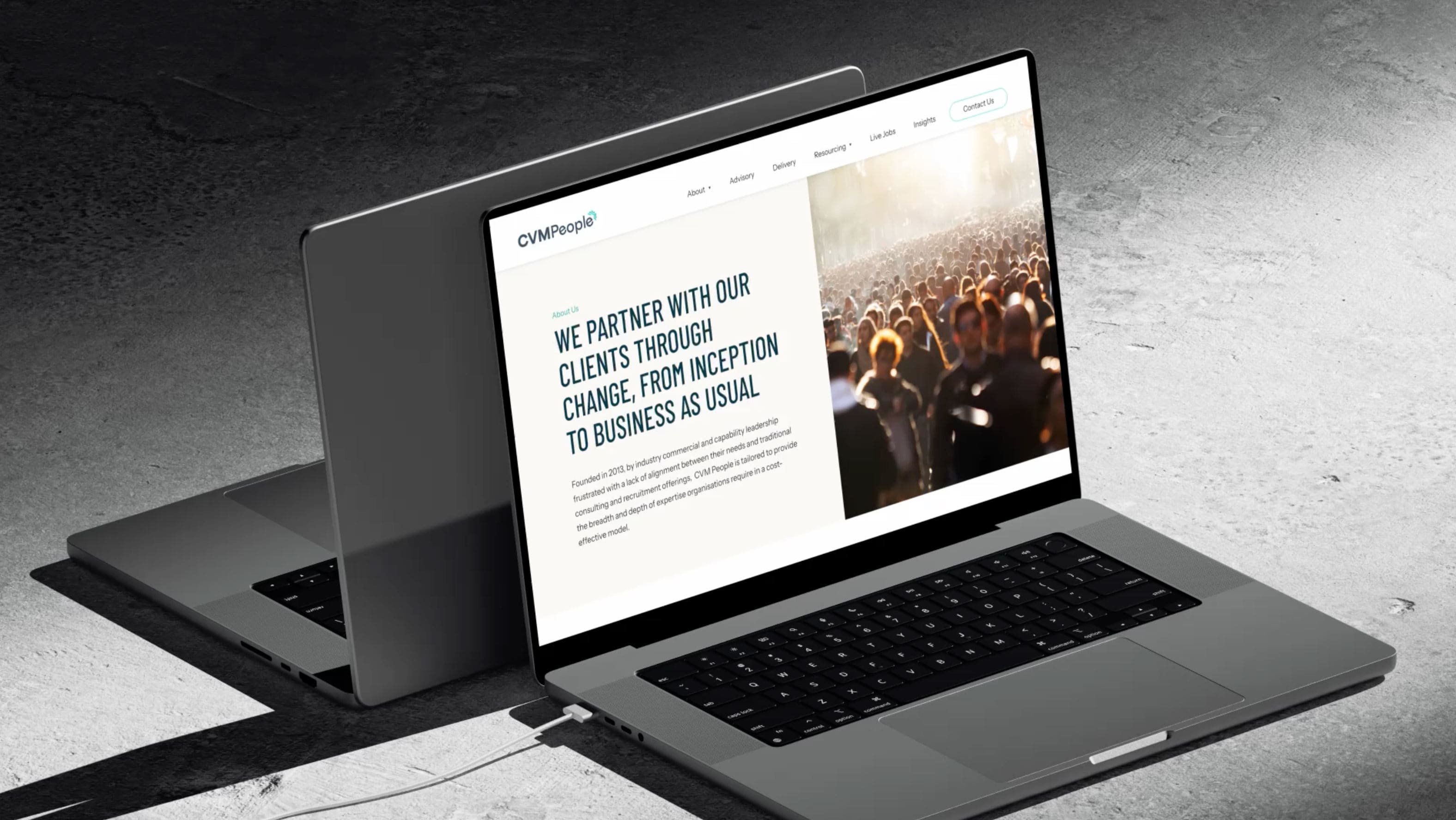
WordPress is a strong choice for many organisations. It is familiar, flexible and easy for teams to manage. But there is a big difference between a quick template build and a properly planned WordPress website. The perfect brochure site CMS for making an impact for your brand and business.
We use WordPress where it makes sense and we have done it over 150 times for clients over the years. We build sites around clear content structures, reusable components, considered UX and a manageable editing experience.
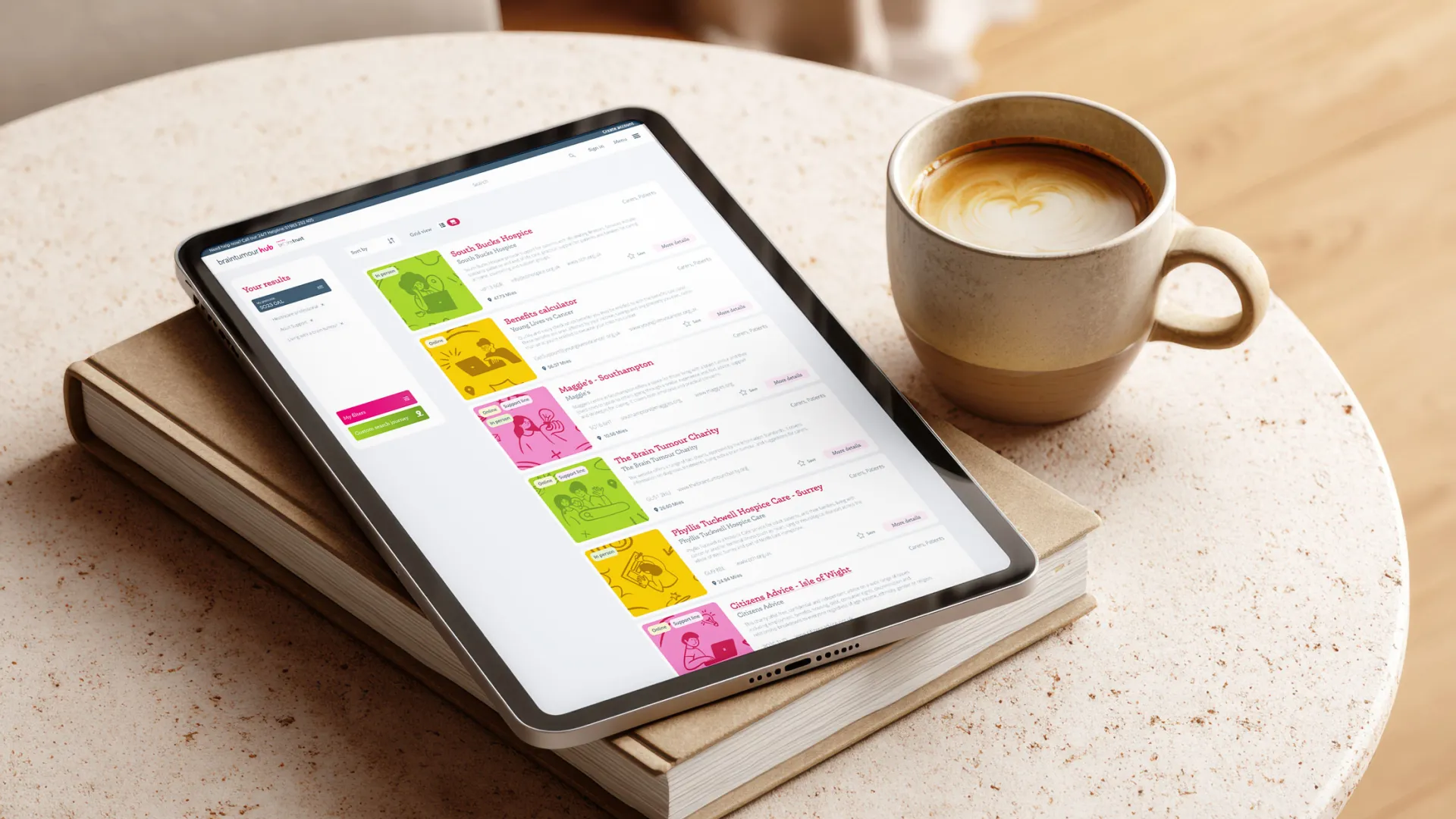
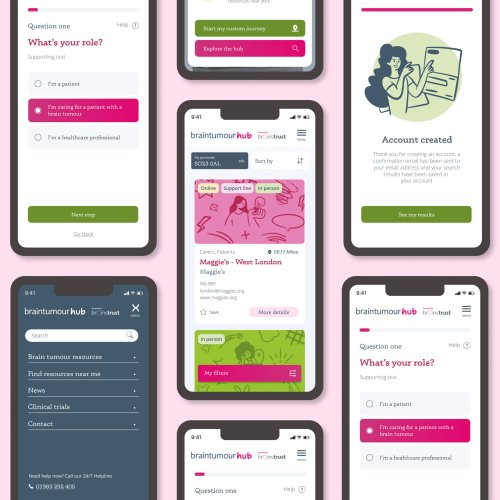
Some websites need more than pages. They need tools that help users search, book, calculate, compare, submit, manage or interact. We build web app interfaces for portals, dashboards, directories, calculators, booking journeys, resource hubs and bespoke website functionality. That means clear UX flows, intuitive screens and reusable components that make complex tasks feel simple.
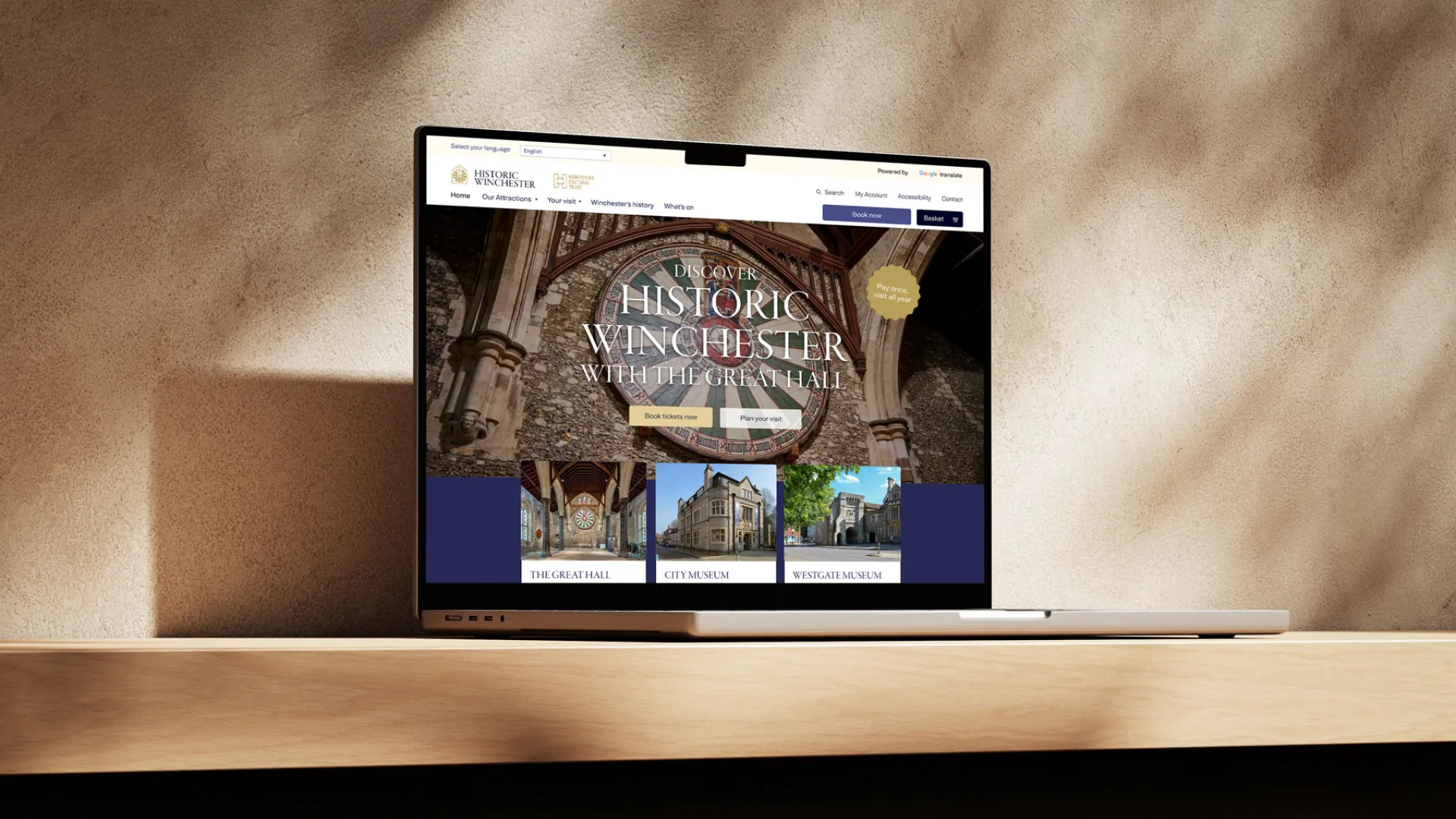
A website should not stand still after launch. We can support hosting, maintenance, performance reviews, content updates, landing pages, new components and UX improvements, keeping your site secure, stable and aligned with your brand as it grows.
Launch is not the finish line. It is when the website starts doing its job.
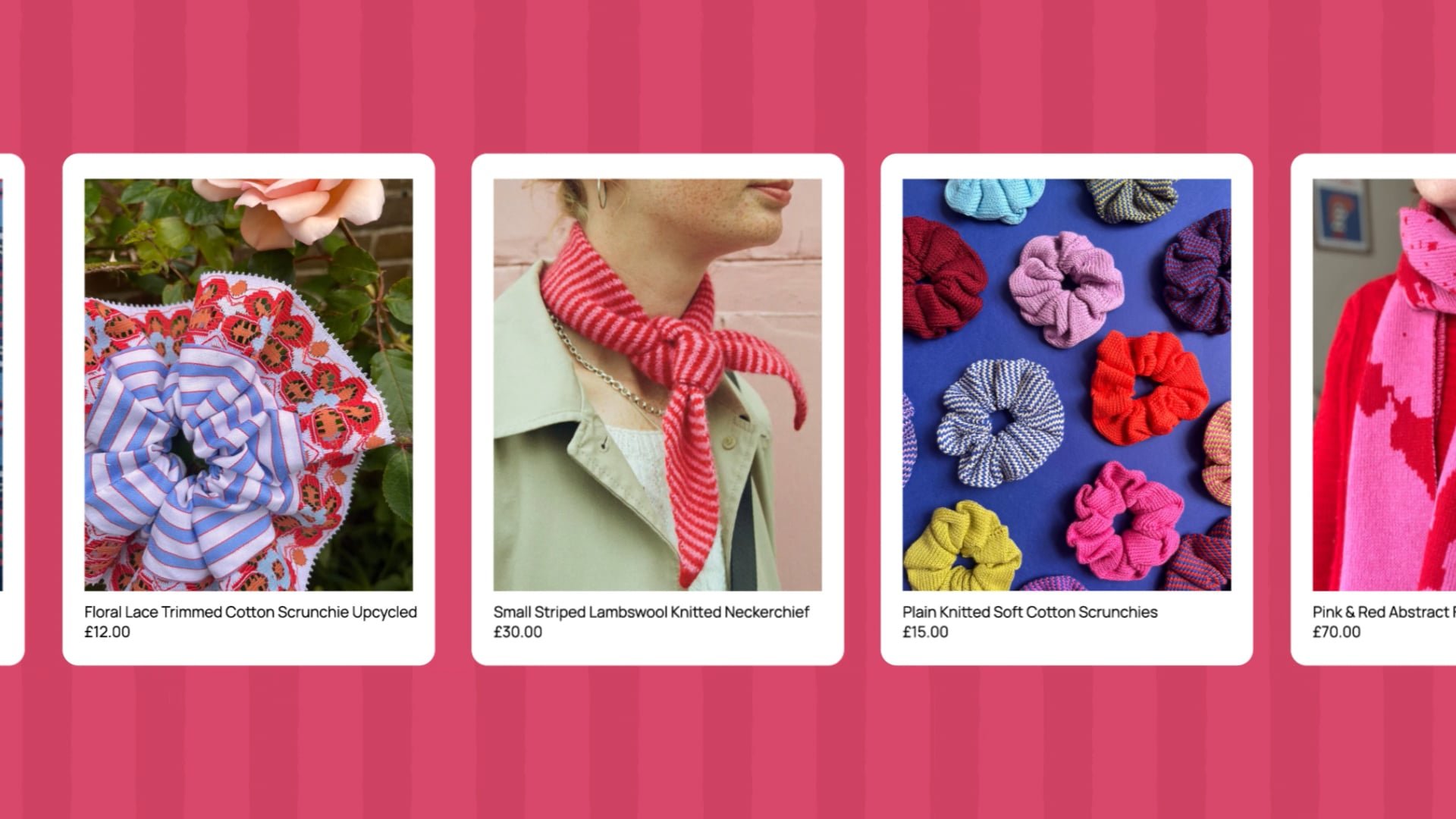
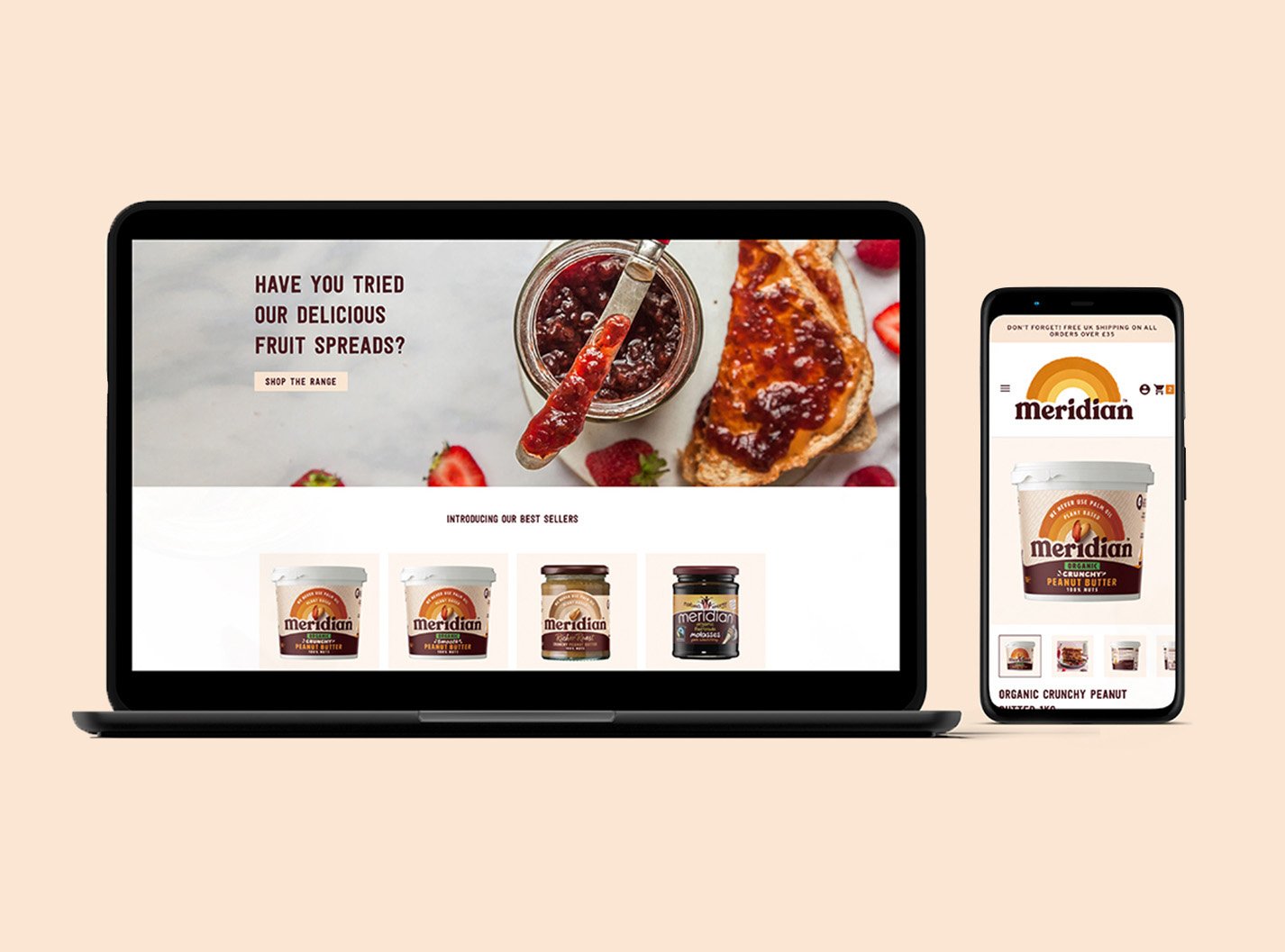
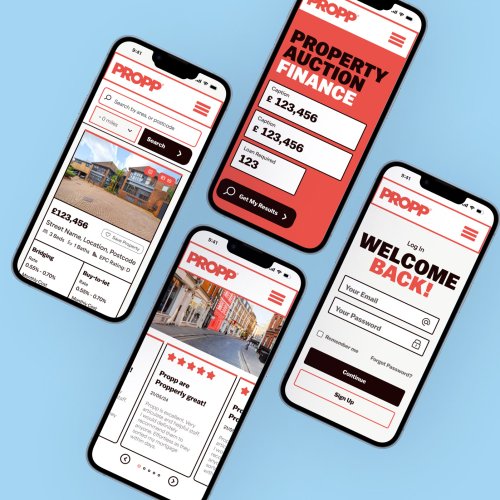
Good e-commerce design makes the path from browsing to checkout feel effortless. We design Shopify and WooCommerce stores with clear product journeys, strong navigation, persuasive content and branded checkout experiences that build trust and support conversion. Online stores should look good, sell well and be easy to manage.
If you are building an app, platform, SaaS product or internal tool, we can help shape the experience before it goes into development. We design user journeys, wireframes, prototypes, UI systems and development-ready screens that your team or developers can build from. The focus is on making the product clear, usable and properly thought through before code is written. Bring us the rough idea, feature list or messy workflow, and we’ll turn it into something users can understand and developers can build.
Modern websites do not work alone. They connect to CRMs, email platforms, booking tools, payment systems, analytics, product feeds, ticketing platforms and third-party APIs. We design those journeys from the start, so forms, data capture, dashboards and conversion points work properly behind the scenes.
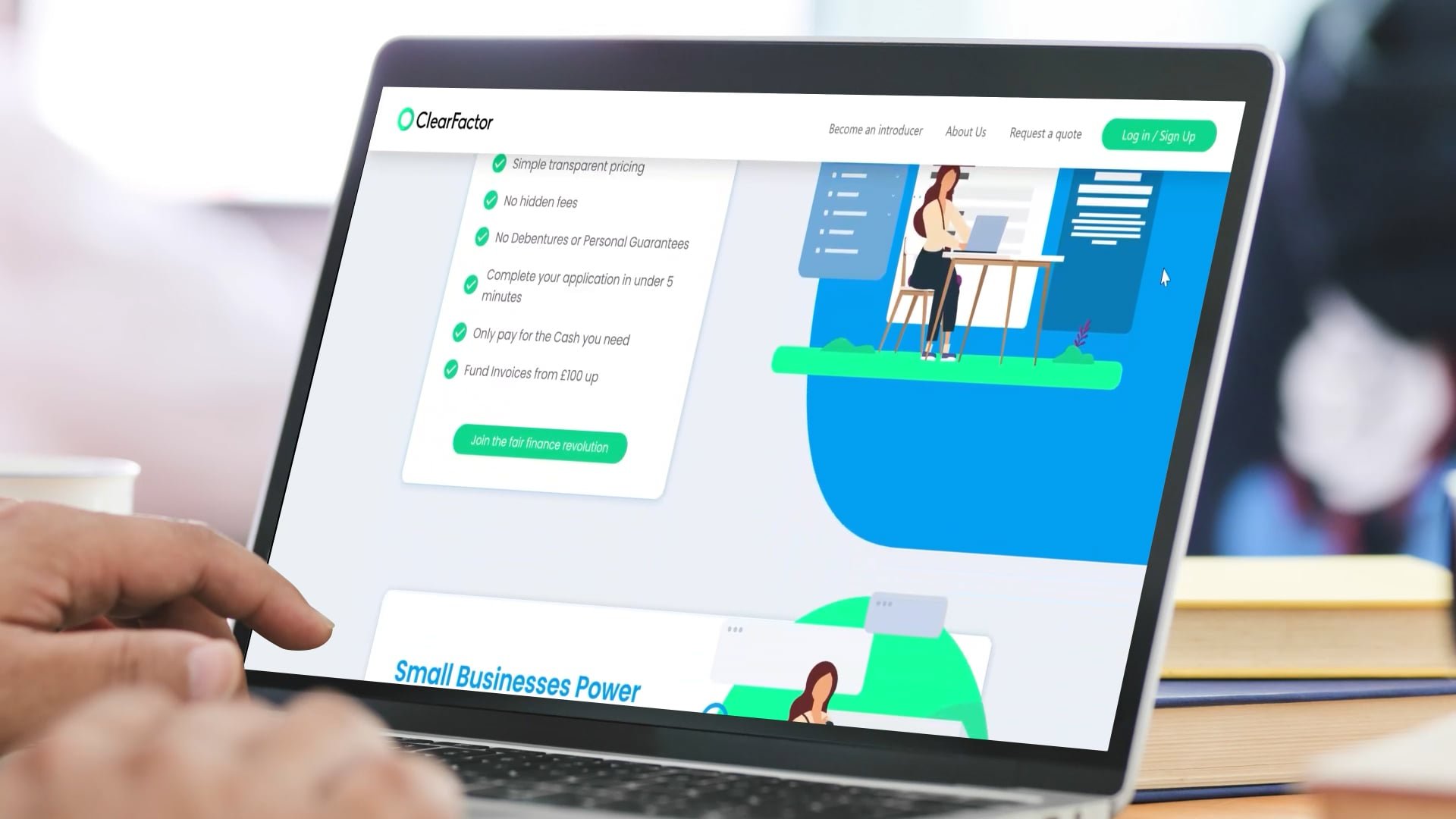
If you have a design, prototype or Figma file ready to go, our development team can turn it into a working website or digital platform. We build across Laravel, Statamic, WordPress, Shopify, Webflow and bespoke front-end development, making sure the final site is responsive, performant, easy to manage and faithful to the design. Good design deserves a good build.
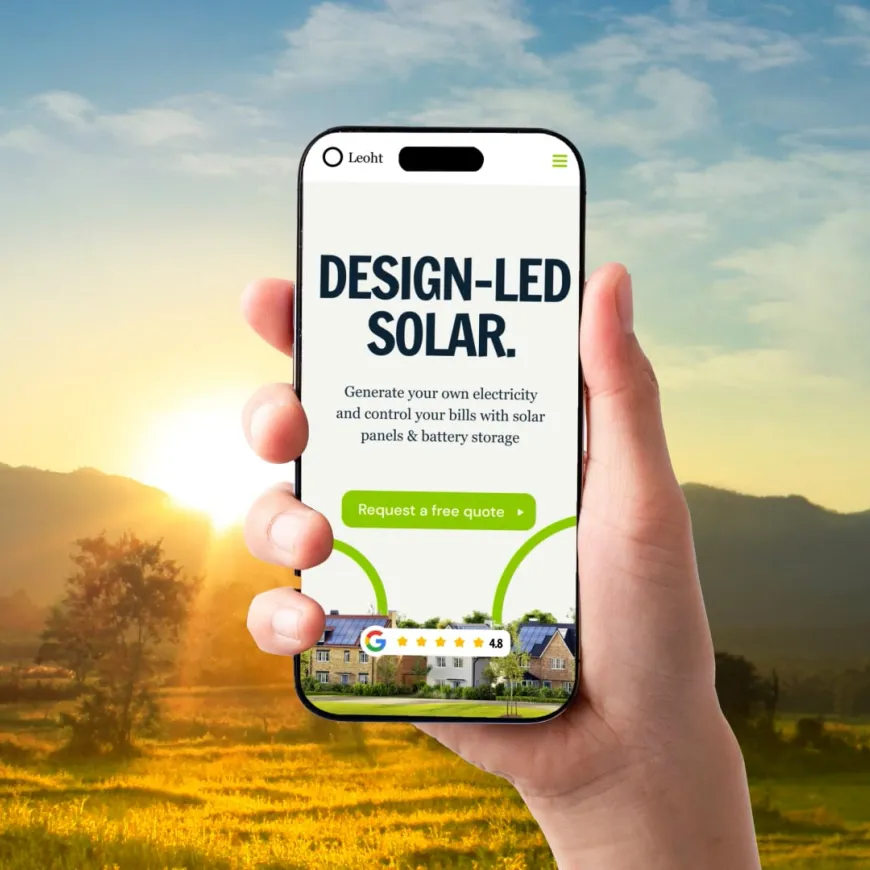
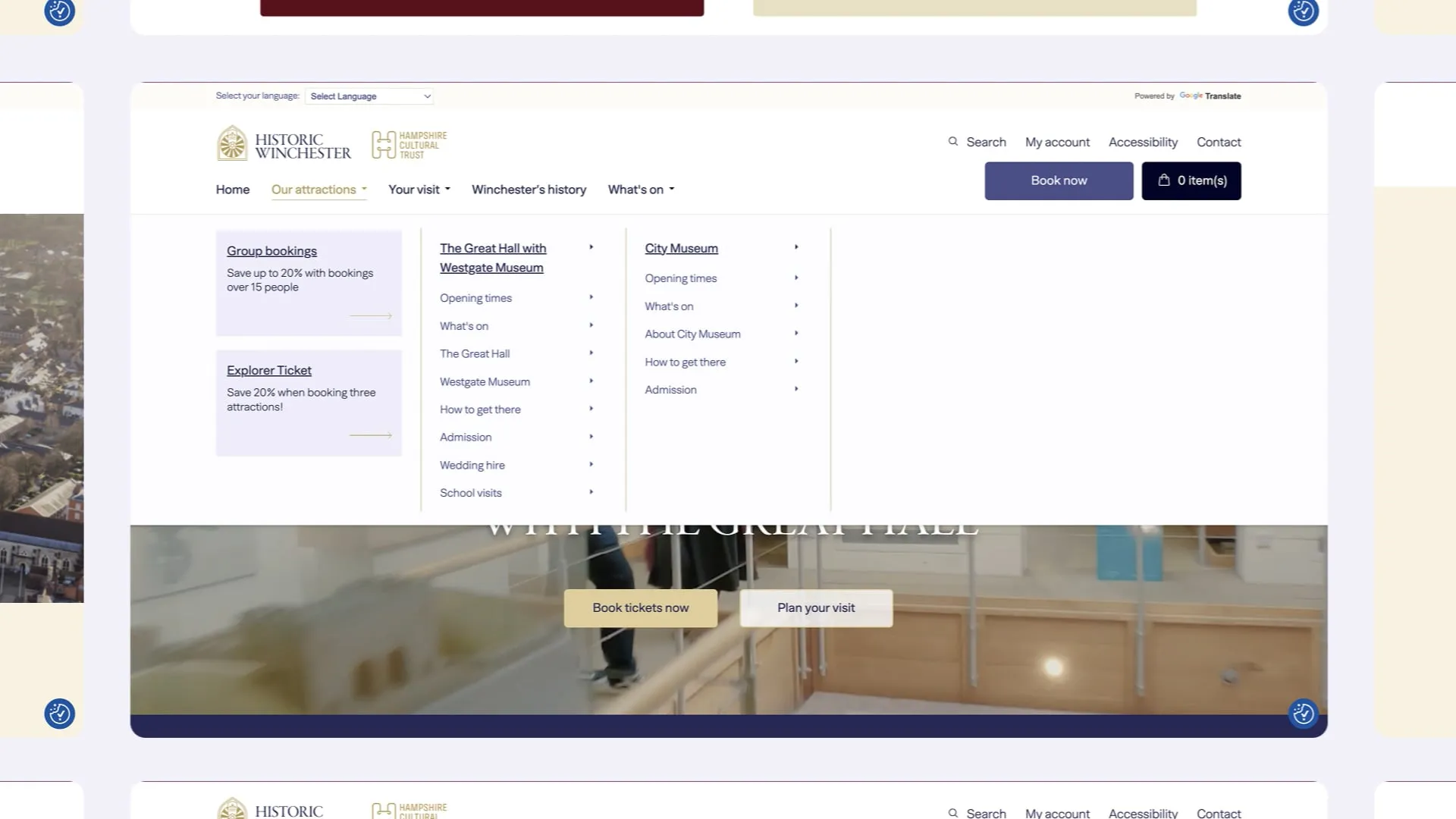
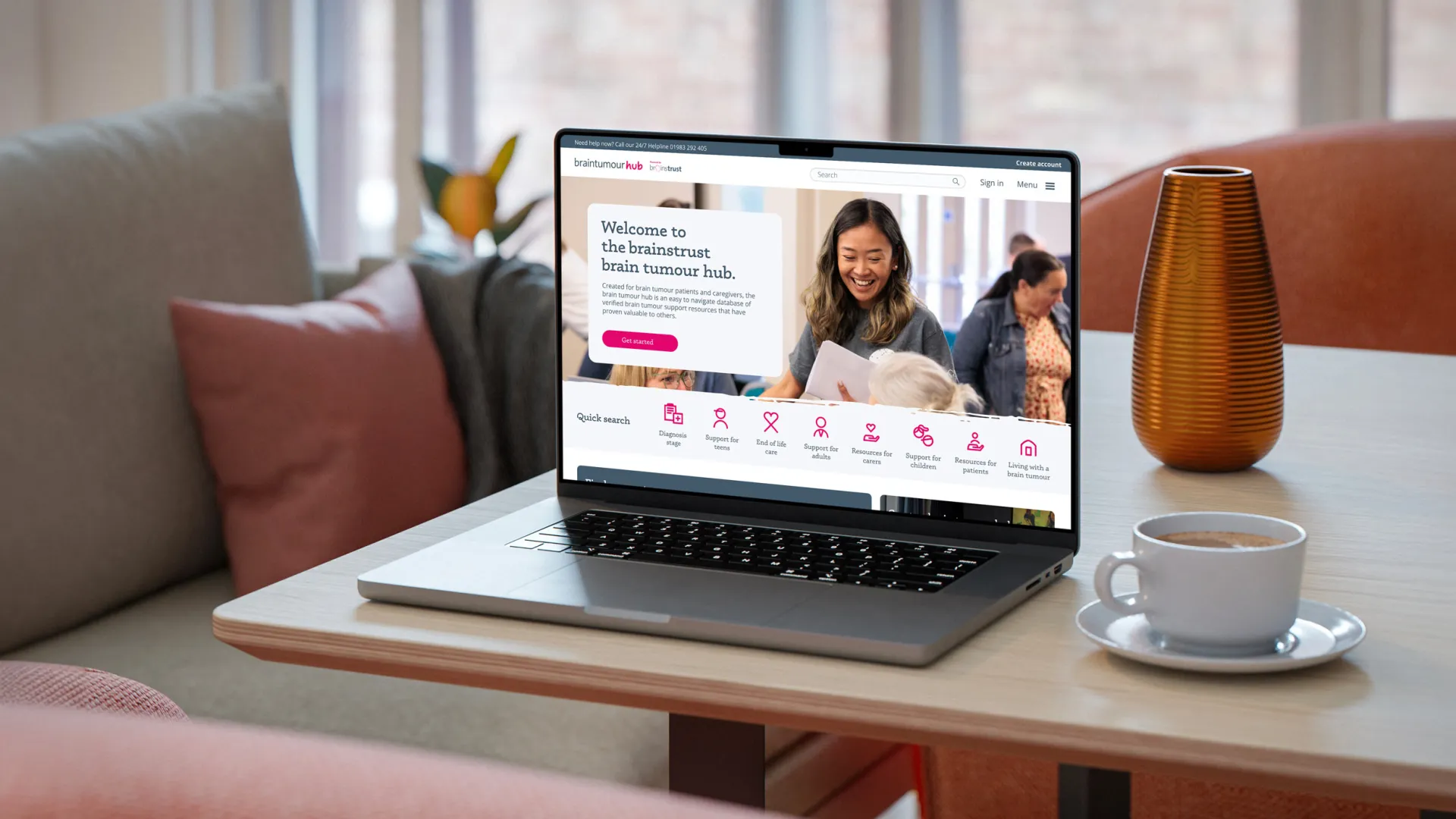
We are a digital and creative agency, which means we combine brand thinking, design craft and technical development. We can support the whole journey, from brand strategy and visual identity to websites, digital platforms, campaigns and production assets.
Brand and digital is the process of building the brand and the digital experience together. It connects strategy, identity, tone of voice, UX, content, web design and development so your website does not feel separate from the brand.
Your website is often the most important place people experience your brand. By building branding and web design together, we make sure your identity, content, tone of voice, UX and digital platform all work as one joined-up system.
A brand refresh is usually right when your existing brand still has value, but needs to feel sharper, more consistent or more current. A full rebrand is better when the strategy, name, positioning, messaging or identity no longer reflect the organisation.
Visual identity is the visible part of your brand: logo, colour, typography, imagery, graphics, illustration and layout style. Brand identity is broader and includes positioning, messaging, tone of voice, audience strategy and the wider system that guides how the brand behaves.
Yes. We can help name businesses, products, campaigns, services and sub-brands. Naming works best when it connects back to the wider brand strategy, tone of voice and visual direction.
Yes. We design logos and logo systems for startups, small businesses and established organisations. A logo might include a primary mark, wordmark, icon, monogram, secondary lockup, social avatar or responsive versions for digital and print.
A good website helps people understand who you are, find what they need and take action with confidence. It needs clear structure, strong messaging, considered UX, responsive design, good performance, SEO foundations and a CMS your team can actually use.
Yes. We can provide UX, wireframes, interface design, prototypes and development-ready design systems for your own developers to build from. This is useful if you have an in-house team but need stronger design thinking or a more polished interface.
Laravel is not automatically better than WordPress. It depends on what the website needs to do. WordPress is great for many content-led websites. Laravel is usually better for larger, more complex, functionality-led platforms that need bespoke features, integrations or stronger scalability.