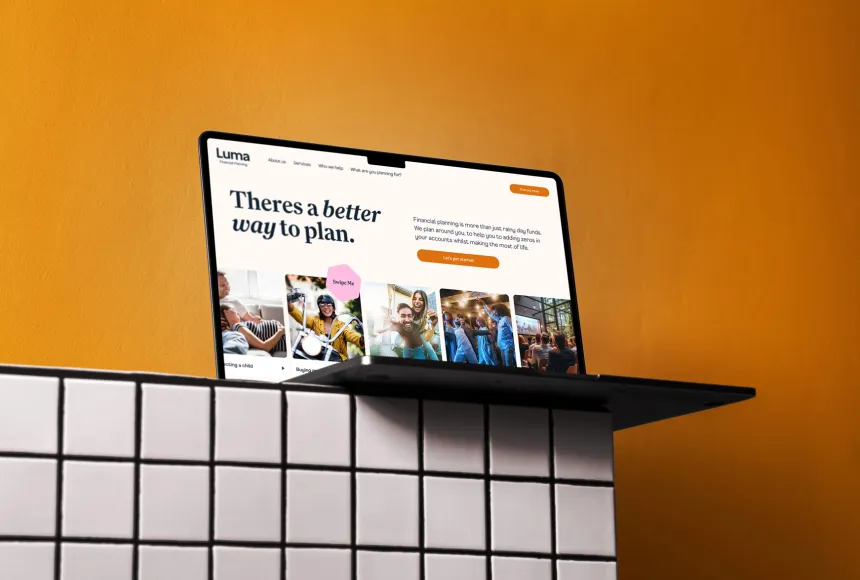
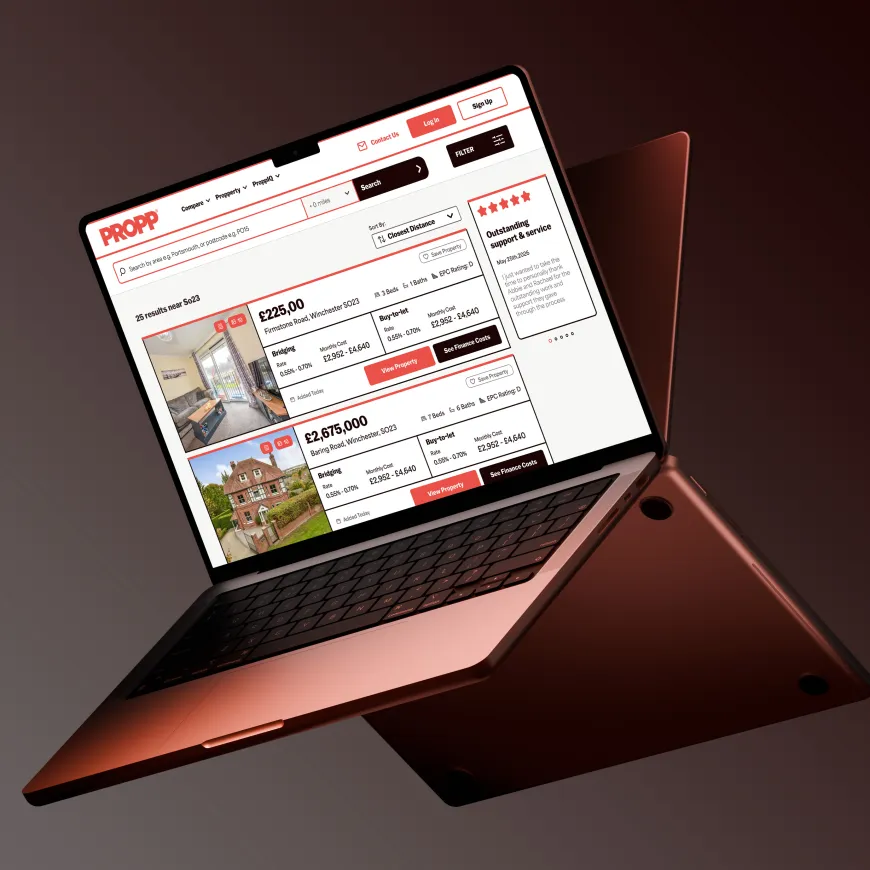
Over the past few years, we've been changing how we approach website development at Think, moving increasingly towards Laravel and Statamic for projects where performance, flexibility and functionality are particularly important. A good example of this is our work with Propp. When we redesigned and rebuilt their website, moving from WordPress to Laravel, we saw some particularly encouraging improvements.
Comparing equivalent reporting periods, with the new website measured around three to four months after launch, Google Analytics 4 showed a 76% improvement in engagement rate, while Google Search Console recorded a 60.1% increase in clicks and a 50% increase in impressions. They're figures we're particularly pleased with, although I think it's important to acknowledge that changing the underlying technology wasn't the only thing we did. We also spent considerable time improving the user experience, refining the visual identity, developing a more comprehensive design system and reconsidering how people navigate and interact with the website. The improvements reflect the wider project rather than Laravel in isolation, but having a more flexible technical foundation played an important role in what we were able to create.
For us, that's where the value of Laravel really begins to show. We want to create websites that look fantastic, perform brilliantly and give organisations the flexibility to develop their digital offering without constantly working around the limitations of an existing system. And increasingly, Laravel and Statamic have become our preferred way of achieving that.

Performance Is Part Of The Design
I've always felt that website performance should be considered part of the creative process rather than something developers are expected to sort out once the design is finished. When somebody visits a website, they don't particularly care what technology it's built with. They're interested in finding what they need, understanding the information and getting on with whatever they came to do. If a page takes too long to load, an interaction feels sluggish or the layout jumps around while they're trying to read it, that becomes part of their experience of the brand, regardless of how beautiful everything looks.
That's why we put so much consideration into how our designs are translated into functioning websites. Typography, animation, imagery, component behaviour and the way content loads all influence the finished experience, and each needs to be considered alongside the technical requirements. This becomes especially important when the website is responsible for generating enquiries, supporting customers or delivering a service that people rely upon. A website can be a relatively small part of an organisation visually while still being one of its most commercially important assets.
Laravel gives us a great deal of flexibility in how we approach these challenges. As a PHP application framework, it provides an established foundation for building bespoke functionality, managing databases, handling authentication, introducing caching and connecting with external systems. Rather than having to adapt a collection of existing tools to accommodate what we're trying to achieve, we can be more deliberate about how the application is structured, which functionality is required and how the different parts communicate with one another. It also gives us the freedom to make considered frontend decisions, helping us balance the creative ambition of the design with the practical requirements of performance and accessibility.
Of course, Laravel isn't automatically faster or more secure simply because it's Laravel. A well-developed WordPress website can perform exceptionally well, and poor implementation can cause problems regardless of the technology being used. What we value is the level of control Laravel gives us, particularly when we're developing more complicated websites where performance, security, integrations and long-term maintainability need to be considered together. It allows us to build around the requirements rather than continually adapting those requirements around the tools available.
Building Around The Business
One of the things we've noticed from working with organisations across different sectors and scales is that websites are increasingly being asked to do much more than publish information. What might originally have been a fairly straightforward marketing website can develop into an important part of how the business operates, with customer accounts, directories, dashboards, comparison tools, applications and integrations becoming central to the service being offered.
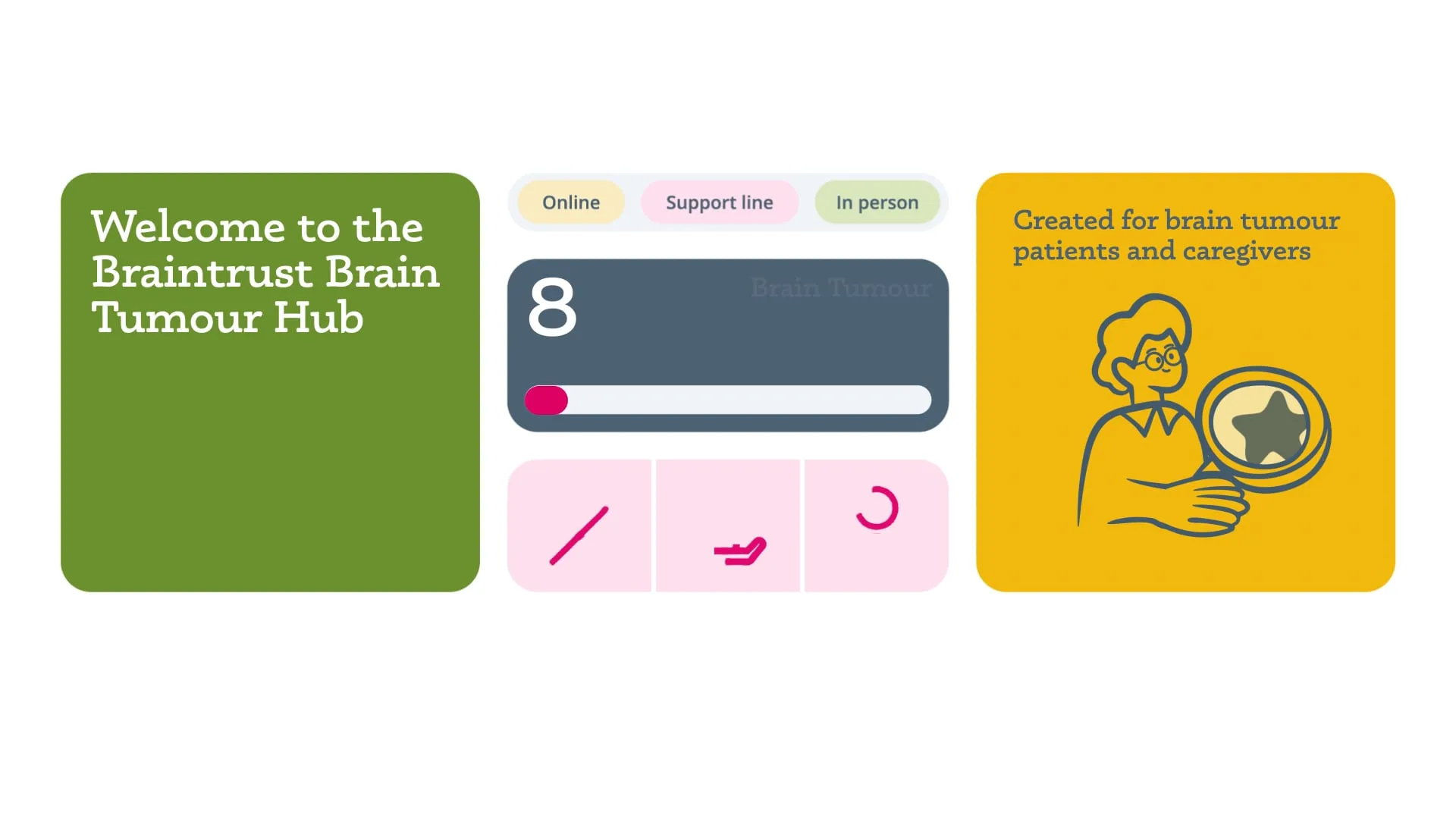
Propp is a particularly good example of this. Alongside communicating the brand and services, the platform needs to accommodate comparison functionality, external APIs and a wider customer portal experience. These aren't simply additional pages that can be introduced when somebody has a spare afternoon. They're interconnected pieces of functionality that need to work reliably, handle information appropriately and provide a consistent experience for the people using them. Having a framework that allows us to consider the application as a whole makes developing and maintaining that functionality considerably more manageable.Our Laravel build for Brain Tumour Hub. Check out the case study
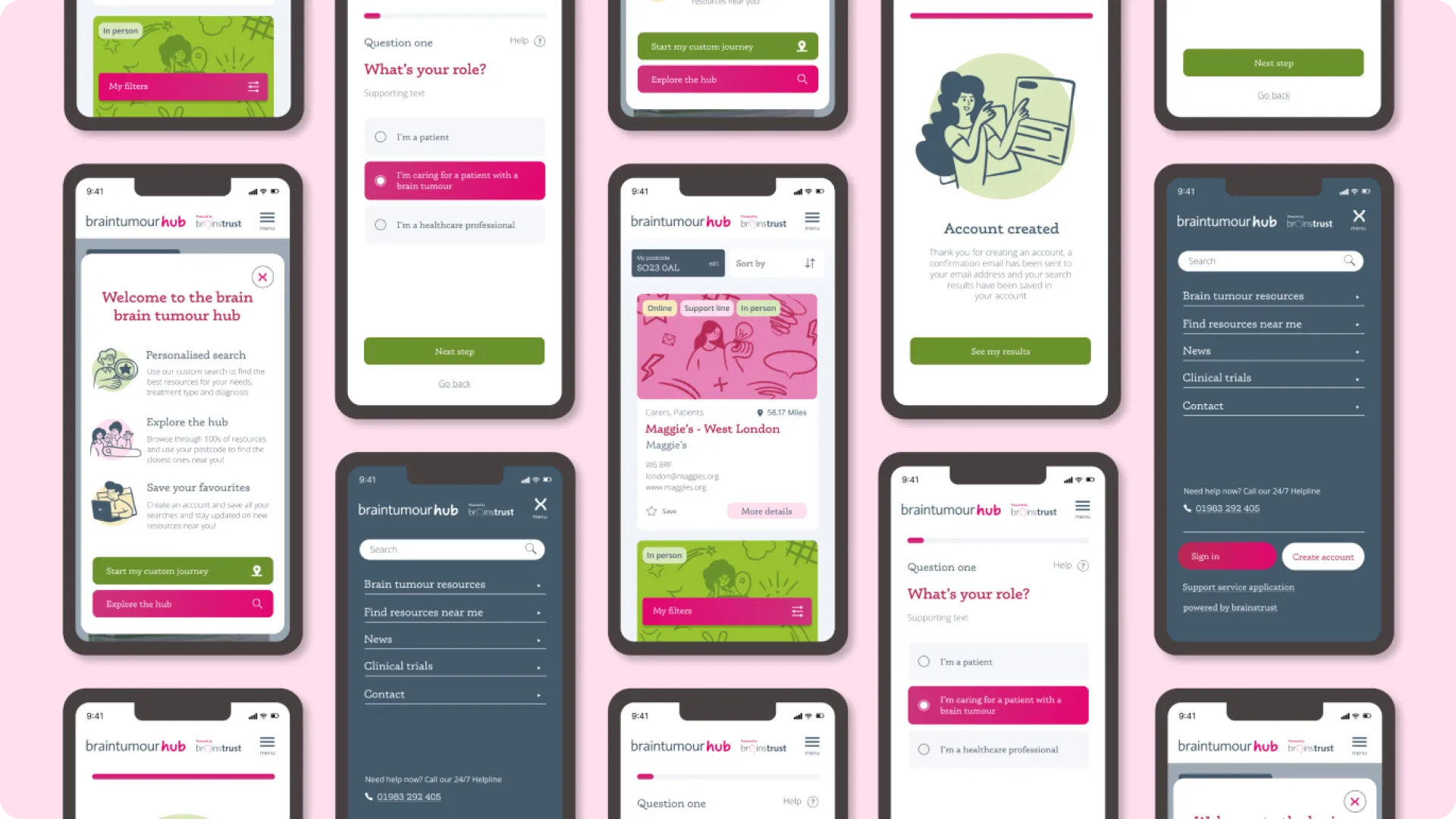
We've encountered similar challenges with projects such as Brain Tumour Hub, where we needed to create a better way for users to search, filter and navigate a substantial directory of information. English Naturally provides another interesting example, combining a relatively conventional public-facing website with host-family applications, dashboards and connections to Maximizer, their CRM system. The requirements are very different, but the underlying challenge is much the same. We need to create something that's easy for people to use while accommodating the technical complexity behind the scenes.
This is one of the reasons we've become increasingly comfortable recommending Laravel for organisations that know their digital requirements are going to develop. It doesn't mean building functionality before it's needed or investing in enormous applications simply because the technology allows it. It means making sensible decisions about the foundations, understanding how information needs to work and creating an architecture that can accommodate additional functionality without continually having to reconsider how the entire website has been constructed. There may be a greater investment at the beginning, but for the right project, that flexibility can provide considerable value over the longer term.
Making Life Easier With Statamic
Having a powerful development framework is only part of the equation, because once the website has launched, somebody needs to manage it. And more often than not, that person is working in marketing or communications rather than development. They want to update content, create pages, publish articles, manage campaigns and make sure the website continues to represent the organisation properly. They shouldn't need to understand the technical architecture underneath to do any of those things.
That's where Statamic comes in. It's a content management system built on Laravel, giving us the flexibility of the framework alongside an editing experience that we can structure around the actual needs of the organisation. We can develop content collections, reusable components and carefully considered editing interfaces that allow people to manage information without needing to make unnecessary design decisions every time they update something.
I think there's a slightly strange idea in web design that giving somebody complete control over every element automatically makes a website easier to use. I'm not convinced that's always the case. If you've invested significant time and money developing a strong brand identity and a carefully considered website, why should somebody in your marketing department have to decide how much spacing belongs between components, which typography treatment to use or whether a particular button should have rounded corners? Those decisions should have been made during the design process, leaving the people managing the website free to concentrate on the content and what they're trying to communicate.
Our approach is to create flexible design systems with reusable components that have those decisions built in. Rather than forcing editors into a handful of rigid page templates, we give them a collection of carefully considered building blocks that can be combined to create different layouts while maintaining the quality and consistency of the original design. It's something we particularly enjoy about working with Statamic, because we can tailor the content management experience to the organisation instead of expecting everybody to work in exactly the same way.
Interestingly, Laravel's own website moved onto Statamic in August 2026, using the CMS to give its marketing team more control over content and landing pages without requiring developers to build and manage every publishing workflow. It's a nice example of how the two technologies complement one another, with Laravel providing the development framework and Statamic making the content easier to manage. For us, that relationship is a big part of why the combination works so well.
The Technology Changes, But Our Approach Doesn't
Something I'm particularly keen to emphasise is that moving towards Laravel hasn't fundamentally changed how we approach design at Think. We still design in Figma, work with reusable components and put considerable thought into typography, accessibility, interaction and the wider user experience. Whether the finished website is built using WordPress or Laravel, the creative ambition and the standards we hold ourselves to remain the same.
Our component-first approach also means the design can develop alongside the website. If an organisation introduces a new service, expands its platform or needs additional functionality, we already have an established visual language and collection of components to work from. We can introduce new elements without everything feeling disconnected or requiring a complete redesign.
Ambitious Doesn't Necessarily Mean Enormous
Sometimes the complexity comes from one particularly important feature, a sophisticated search function, an integration with an internal system or a workflow that needs to work reliably for a relatively small number of people. The size of the website isn't always a particularly useful measure of how complicated it needs to be. Businesses grow, services develop and people expect more from their online experiences. A website that only needs to communicate information today might become a much more significant part of the organisation tomorrow, and the decisions made when it's first developed can influence how straightforward those changes are to introduce.
That's why Laravel and Statamic have increasingly become our preferred starting point for more ambitious digital projects. We appreciate the freedom they give us, the level of technical control available and the ability to create a content management experience that works for the people responsible for running the website. Together, they allow us to build around the organisation's requirements while maintaining the performance, accessibility and design quality we want to achieve.