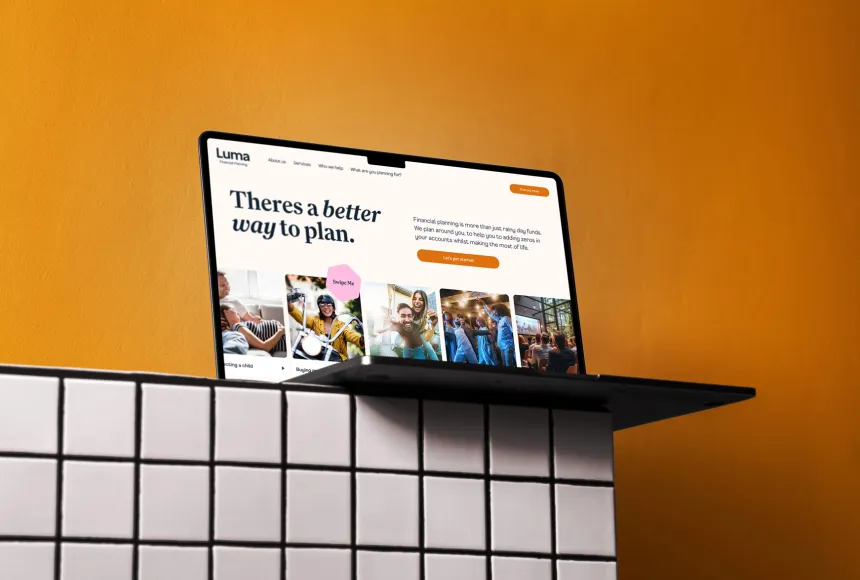
There’s a difference between giving somebody access to a members’ area and giving them a reason to keep using it. If people are paying for membership, subscription or access to a professional service, there’s naturally an expectation that the value will continue developing over time, and that means the digital experience needs to do more than simply put a collection of resources behind a password.
The starting point is still understanding what somebody actually wants to achieve when they log in, whether that’s finding information, registering for an event, updating their details or accessing something that isn’t available publicly, but I think there’s another question that matters just as much. Is the platform flexible enough to become more useful as those needs develop? A good members’ area shouldn’t feel finished the day it launches. It should give the organisation a foundation that can grow with the membership.
Small Features Can Add A Lot Of Value
Not every improvement needs to involve some enormous new piece of functionality. Often it’s the smaller conveniences that make a platform feel genuinely useful, particularly when they remove repetitive work for the person using it. The ability to save favourite resources, remember searches, track the status of a membership or application, update personal information or receive notifications when relevant new content is added can make the difference between a members’ area somebody visits occasionally and a tool that becomes part of how they interact with the organisation.
The important thing is that those features respond to real behaviour rather than becoming a shopping list of things that sound impressive in a proposal. If members repeatedly return to the same information, perhaps it should be saved to their account. If they constantly contact the organisation to ask where something is in a process, perhaps that status could be visible when they log in. If new resources are one of the core benefits of membership, perhaps users should be able to follow particular subjects and hear when something relevant is added.
These aren’t necessarily dramatic features, but they show that somebody has thought about what makes the experience useful after the first login.
Build Around What People Actually Do
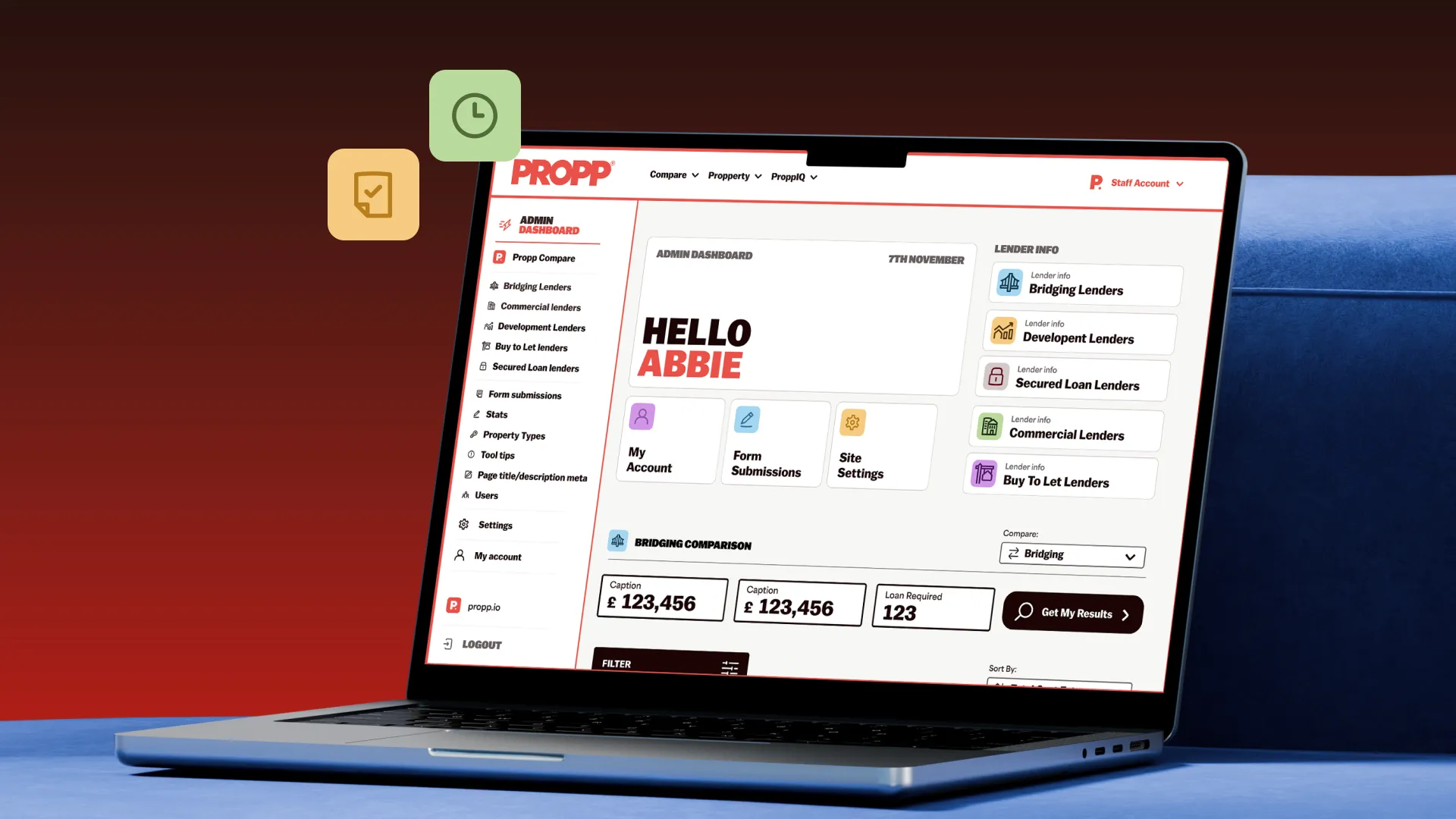
We’ve explored this in different ways across some of the more complicated platforms we’ve developed. With Propp, for example, users can do considerably more than simply access restricted content. Their account brings together previous searches and enquiries, saved investment properties pulled through from Zoopla and tools that help them assess potential opportunities, including property valuations and return information. There’s also an additional paid level of access offering further services, which creates a useful two-tier structure where the platform can support both the core customer journey and a more premium proposition.
What I like about that approach is that the account becomes part of the service itself. It isn’t just somewhere you log in because the website happens to have user accounts. The information is relevant to what somebody is already doing, and the platform makes it easier for them to continue where they left off.
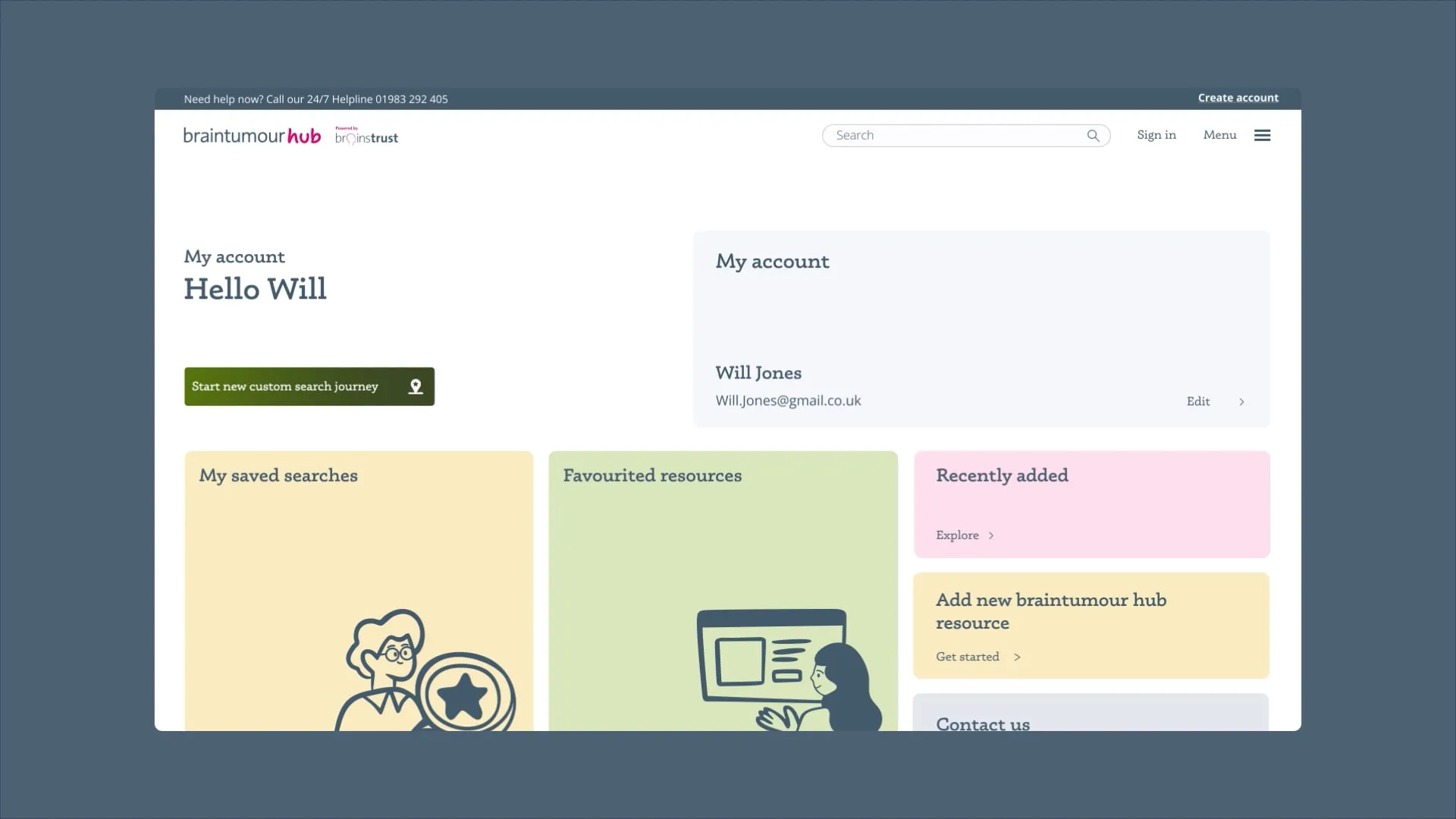
We’ve used similar thinking within Brain Tumour Hub, where registered users can save searches, filters and useful resources rather than having to recreate them every time they return. For somebody such as a healthcare professional supporting different people, that kind of functionality can turn a large directory into a much more practical working resource, because the information they’ve already found remains useful the next time they need it.
That’s a relatively small interaction in the context of an entire platform, but it adds genuine value because it removes repetition and makes the system more useful over time.
The Platform Needs Room To Grow
This is where the underlying structure becomes important. A membership platform can start relatively simply, but organisations rarely stand still. New services get introduced, membership levels change, resources grow and internal systems evolve, so there’s real value in thinking about scalability early rather than bolting functionality on indefinitely and hoping everything continues to work together.
That doesn’t mean every project needs an enormous bespoke platform from day one. Sometimes an existing system will handle the requirements perfectly well, and developing more than you actually need would be difficult to justify. But where the platform is central to the membership proposition, we think it’s worth considering what the next few years might look like as well as what needs to work at launch.
At Think, that means understanding both sides of the experience. What does the member need to achieve, and what does the organisation need to manage behind the scenes? Profiles, permissions, payments, saved information, notifications and integrations can all become connected, and the technical foundations need to support that without making the experience unnecessarily complicated for the person using it.
A successful members’ area doesn’t need every feature imaginable, and I don’t think the objective should simply be increasing the number of logins. It should make membership more useful. If somebody can find what they need more quickly, pick up where they left off, access tools that genuinely help them or receive more value because the platform understands their relationship with the organisation, then there’s a much stronger reason to return.
And if people are paying to be part of something, that continuing value is exactly what the digital experience should be helping to deliver.