Propp
A Propper digital step forward
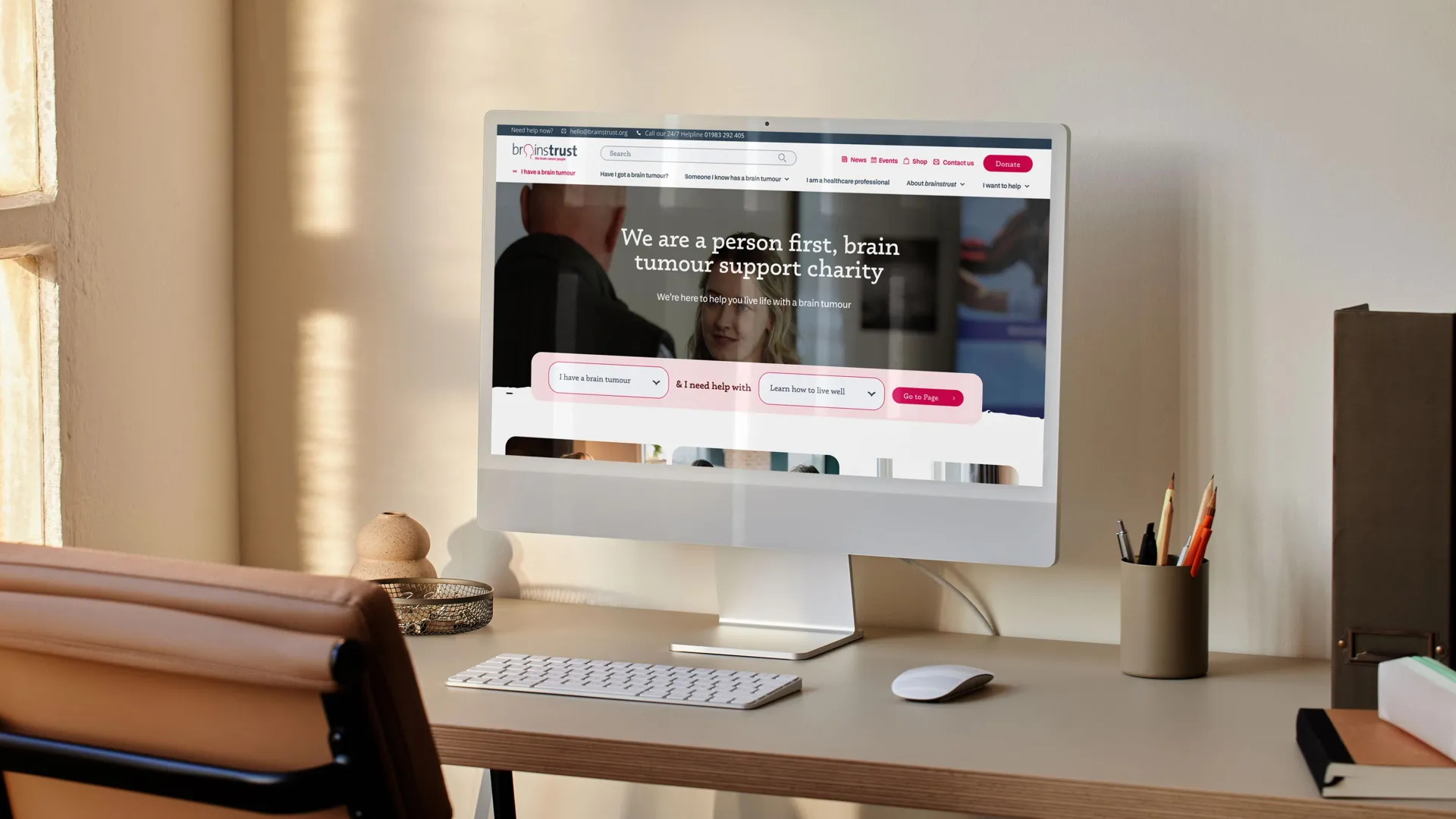
brainstrust’s existing website had grown into a substantial support platform containing more than 100 pages of information for people living with a brain tumour, their families, carers and healthcare professionals. Although the content was valuable, the site structure had become increasingly complex, making it difficult for users to understand where to begin or how to find the support most relevant to them.
Analytics showed that many visitors arrived directly from search engines onto detailed resources such as diagnosis, treatment and end-of-life care pages, rather than beginning on the homepage. From there, overlapping content, unclear navigation and competing pathways made it difficult to move confidently through the site. This was particularly important because users were often visiting at an emotionally challenging time, when clarity, reassurance and immediate access to trustworthy information were essential.
The existing structure also presented an SEO challenge. Duplicate and closely related pages made it harder for search engines to identify the most authoritative page for each subject, while inconsistent content hierarchies and internal linking limited the visibility of important brain tumour support resources. Each page needed to work not only as part of the wider website, but as a clear and useful landing page for somebody arriving directly through organic search.
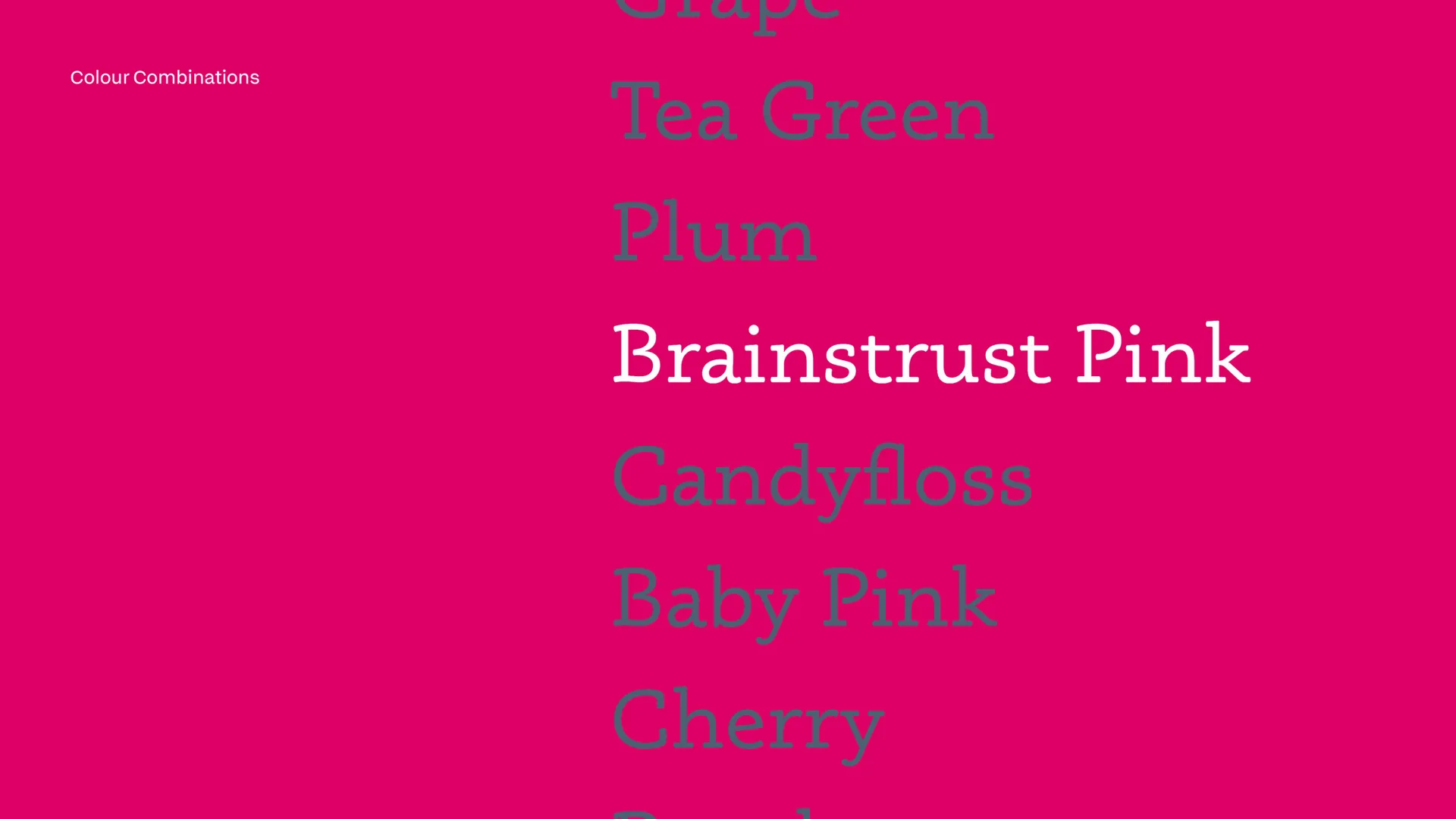
Alongside the structural issues, the visual identity needed to become more effective in a digital environment. The website no longer fully reflected brainstrust’s person-first positioning, and the colour palette required further development to create a warmer, more accessible and consistent online experience.
We began with an evidence-led website strategy, reviewing analytics, audience priorities, search behaviour, existing content and key user journeys. Rather than treating the homepage as the beginning of every visit, we approached the website as an interconnected support resource in which any page could be a user’s first point of contact. The information architecture was reorganised around the questions people were asking and the support they needed at different stages of their journey. Overlapping content was consolidated, page purposes were clarified and related information was connected through more considered internal linking and onward calls to action. This created clearer subject areas for users while giving search engines a stronger understanding of the relationship between diagnosis, treatment, practical support, living well and end-of-life care.
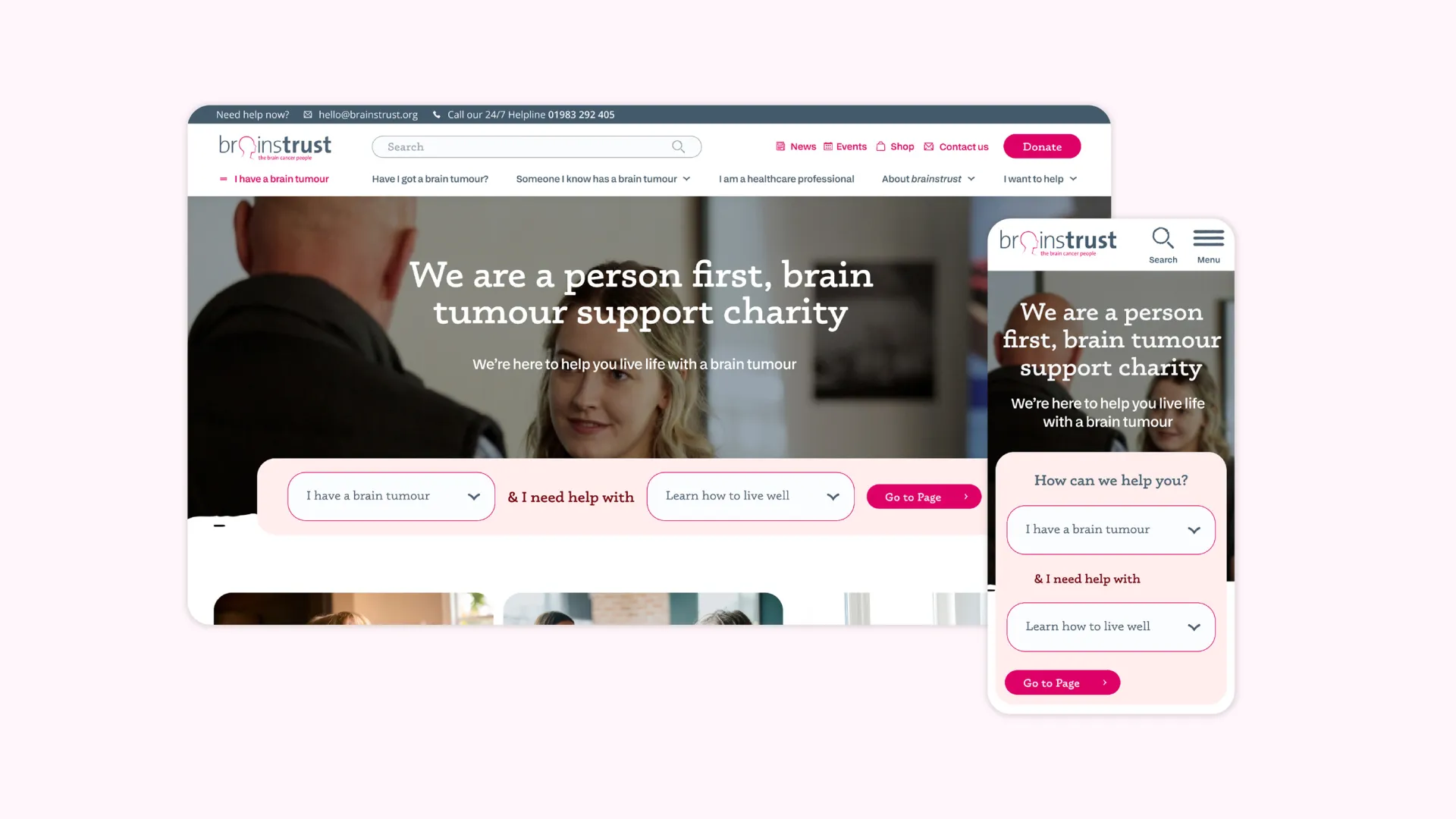
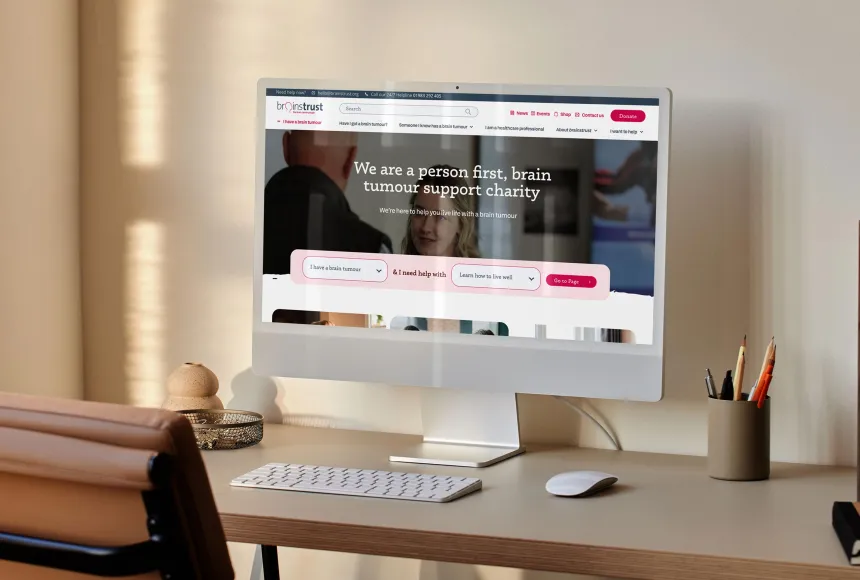
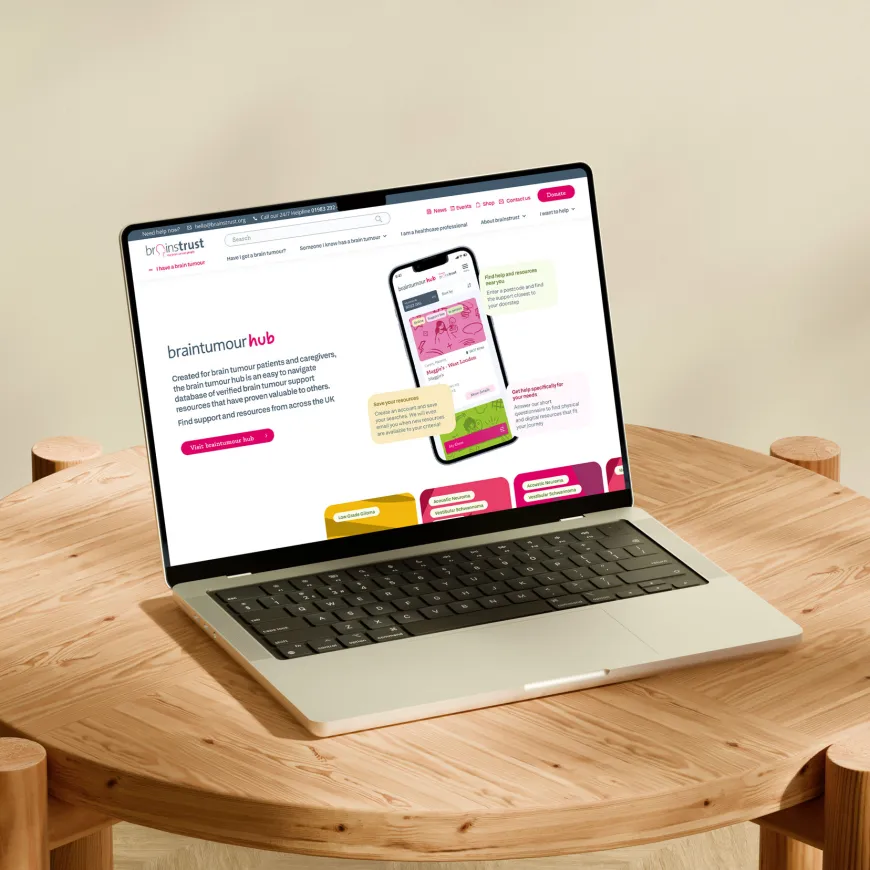
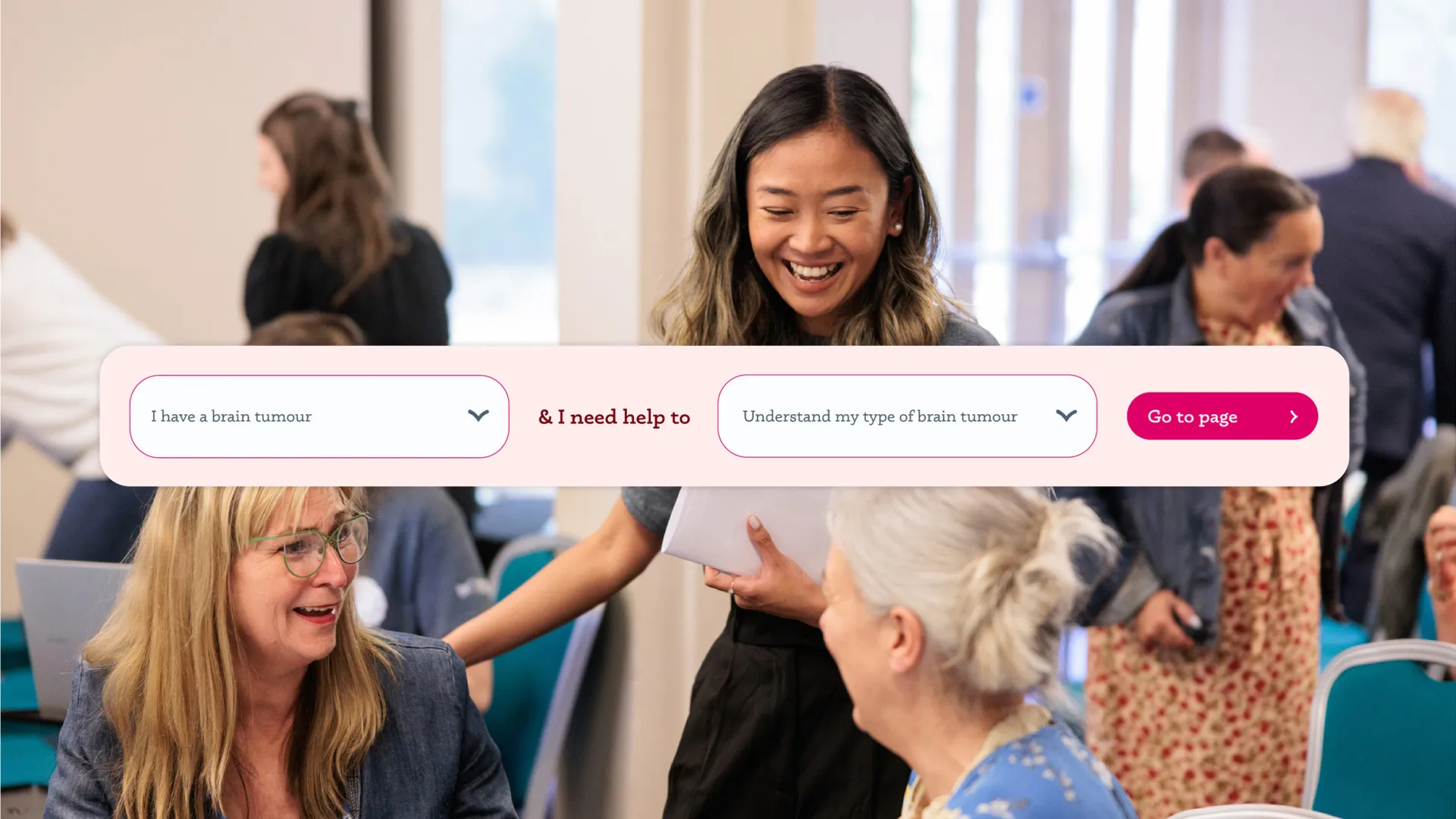
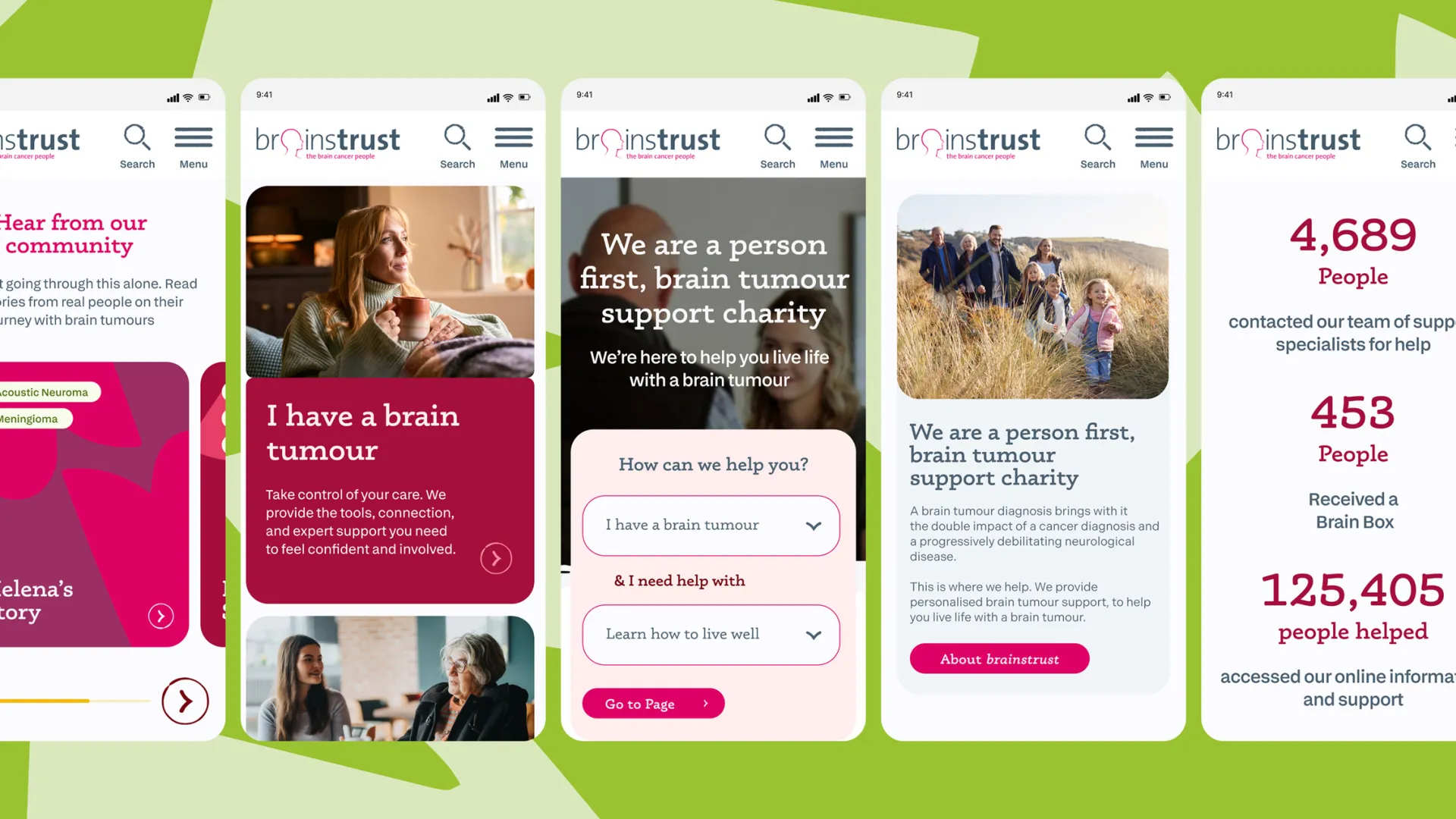
A key part of the new experience was Pathfinder, a guided navigation tool built directly into the website’s design system. Pathfinder allows visitors to identify who they are and the type of help they need, before directing them towards the most relevant information and personal support. This provides a single, reassuring entry point into an otherwise complex collection of resources, reducing unnecessary backtracking and helping users reach meaningful support faster.
The SEO strategy was built into the structure of the website rather than added after the design was complete. Question-led content, clearer headings, focused page topics and improved content hierarchy make information easier for both people and search engines to understand. Important resource pages were designed as patient-focused landing pages, helping to protect existing organic visibility while providing stronger foundations for future search performance and AI-led discovery.
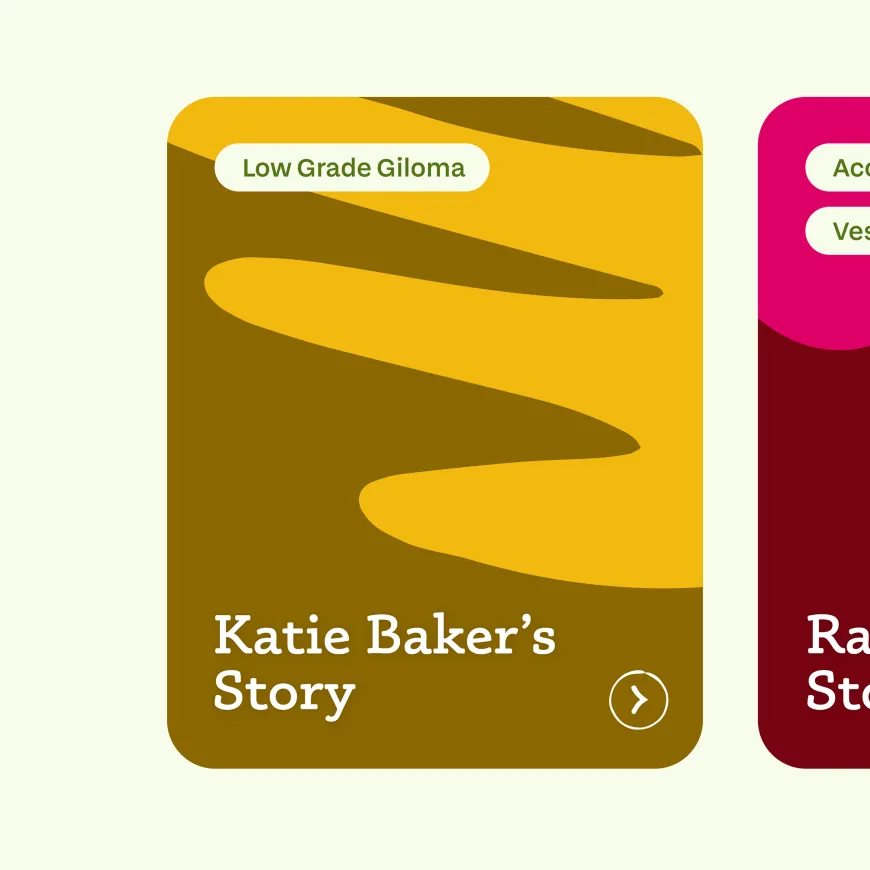
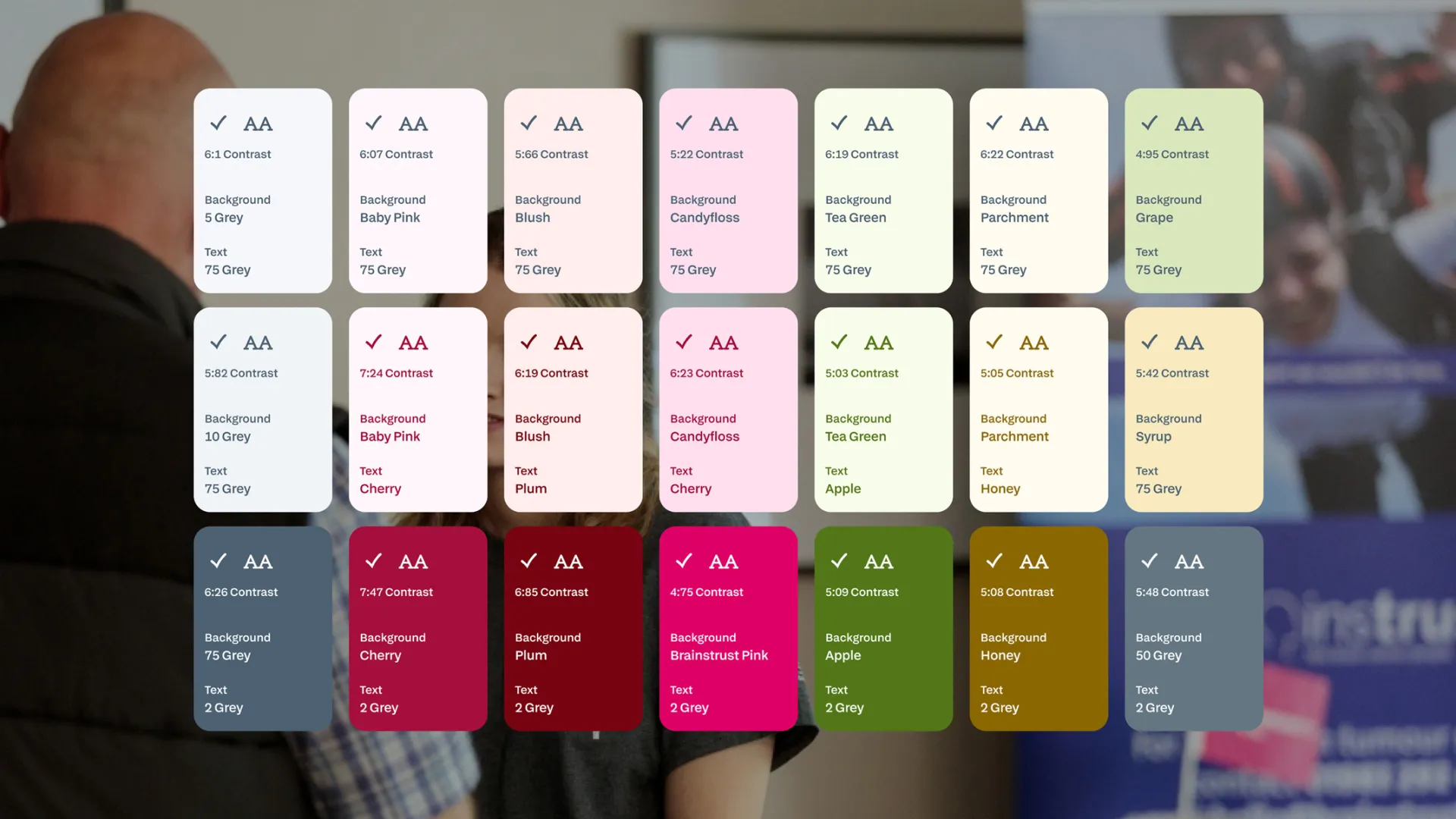
We also refreshed the brainstrust identity for digital use, retaining its warmth and recognisable character while creating a more flexible and contemporary visual system. The expanded colour palette was carefully tested across text, backgrounds, buttons and interactive elements to meet WCAG 2.1 AA contrast standards. Supporting graphic shapes and more representative imagery helped create moments of calm, reassurance and personality without compromising readability.
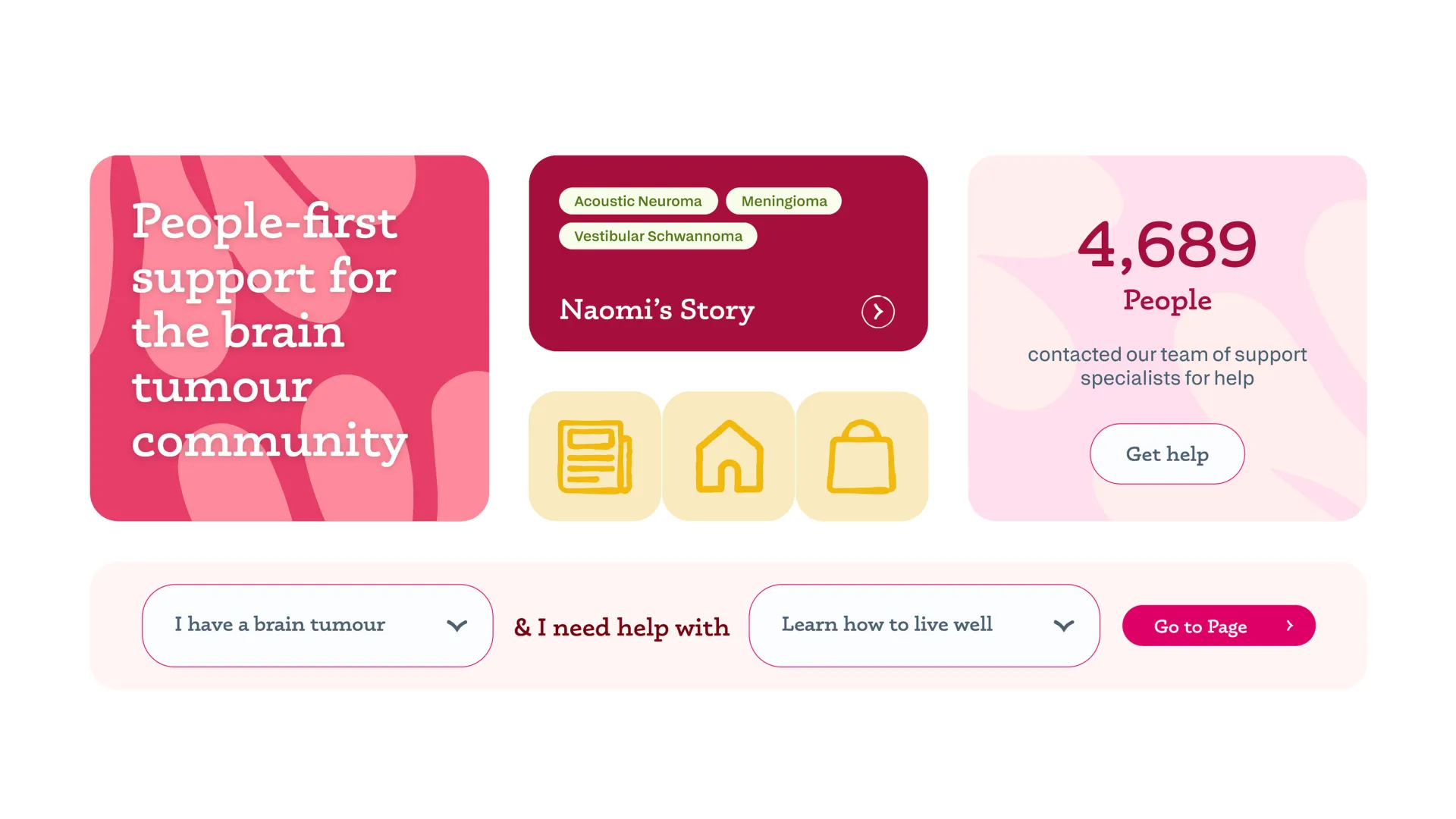
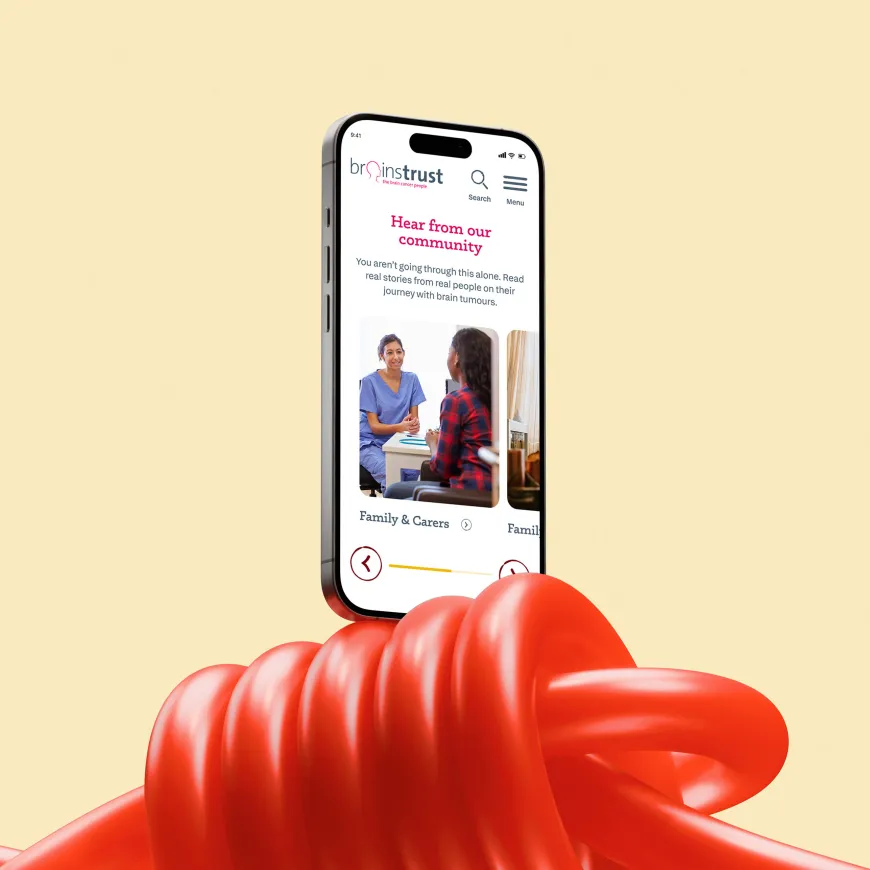
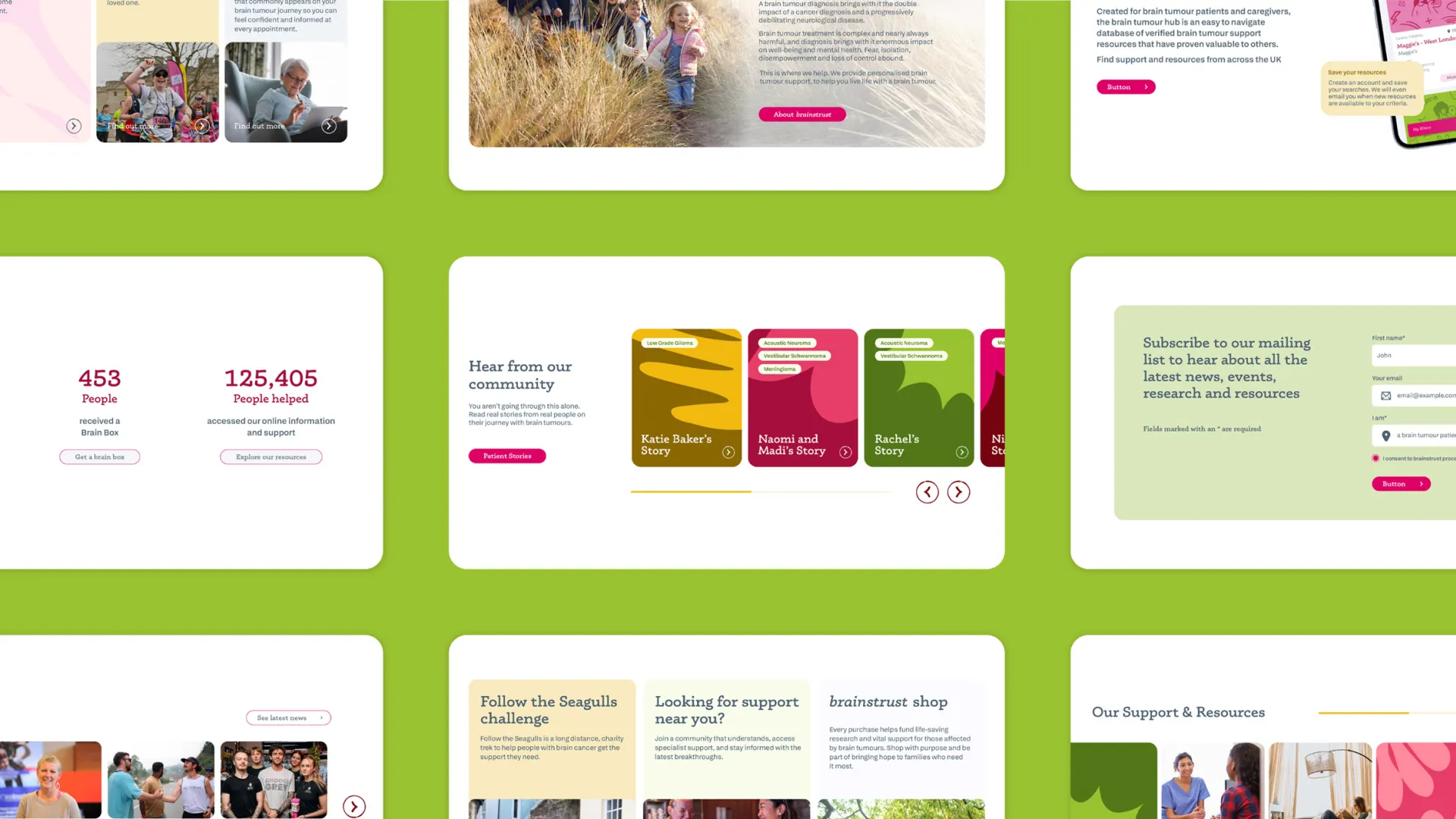
With the majority of visitors accessing the website on mobile devices, every core journey and component was considered from a mobile-first perspective. A modular design system was developed to bring consistency across the site’s extensive collection of pages, while giving the brainstrust team the flexibility to create and maintain new content without weakening the user experience or visual identity.
The result is an accessible, search-focused digital platform that positions brainstrust as a person-first brain tumour support charity. More than a traditional charity website, it acts as a connected resource and navigation system, helping people find reliable information, understand their options and access personalised support at every stage of life with a brain tumour.